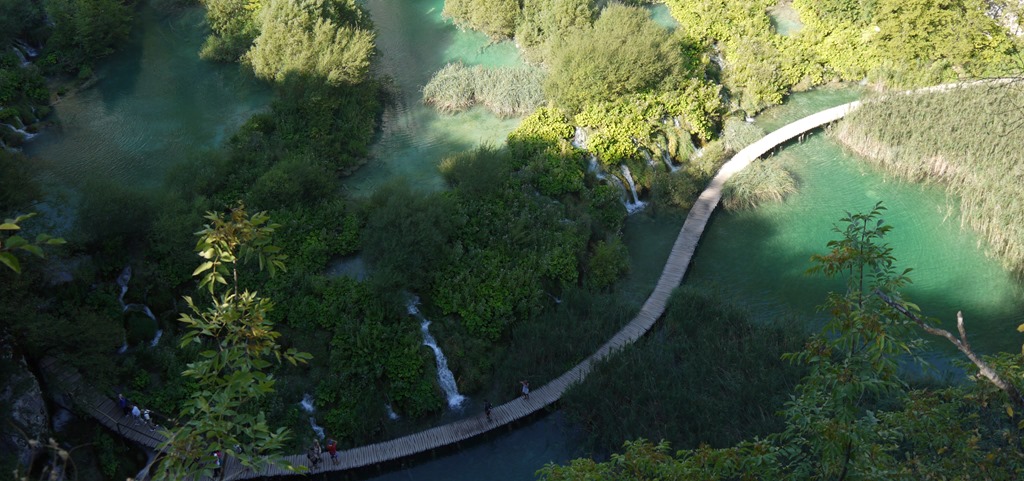
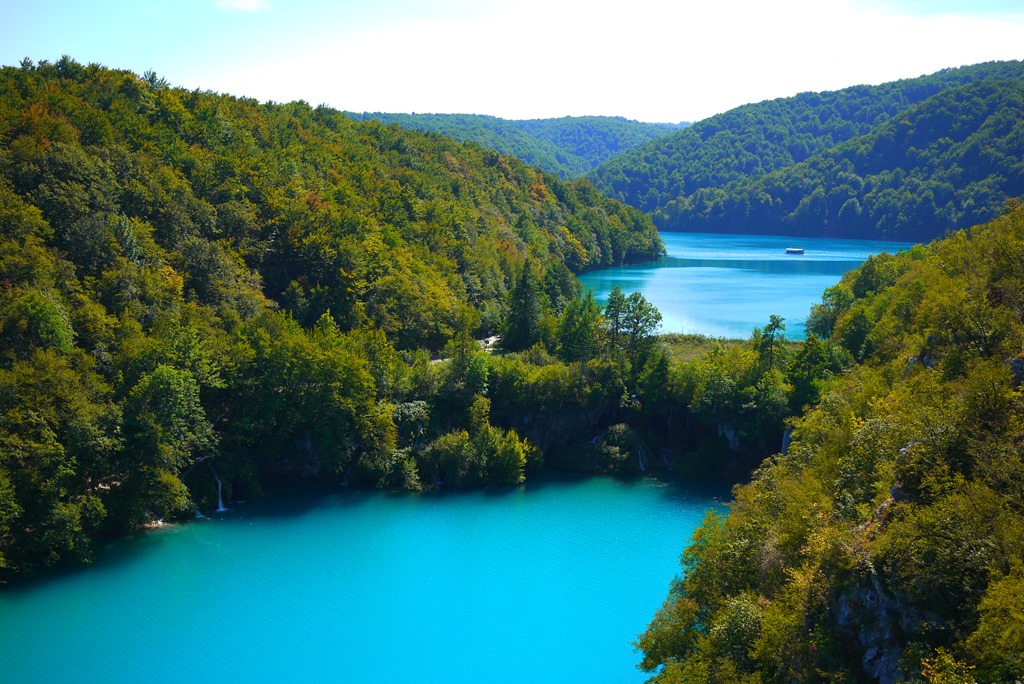
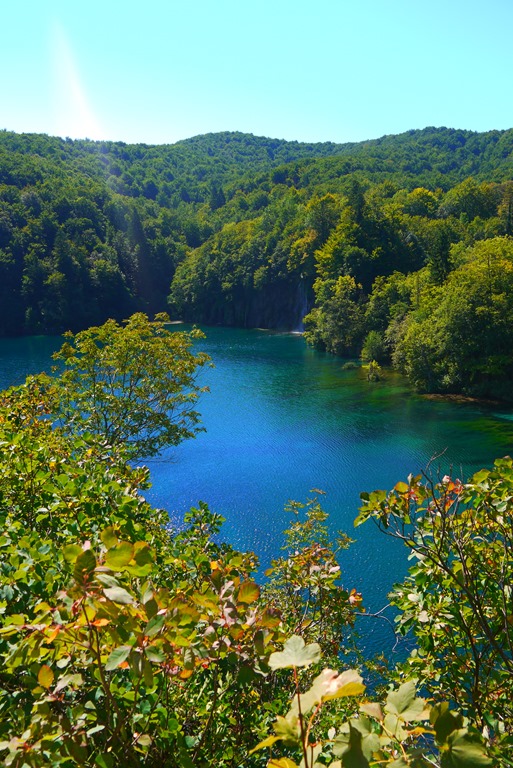
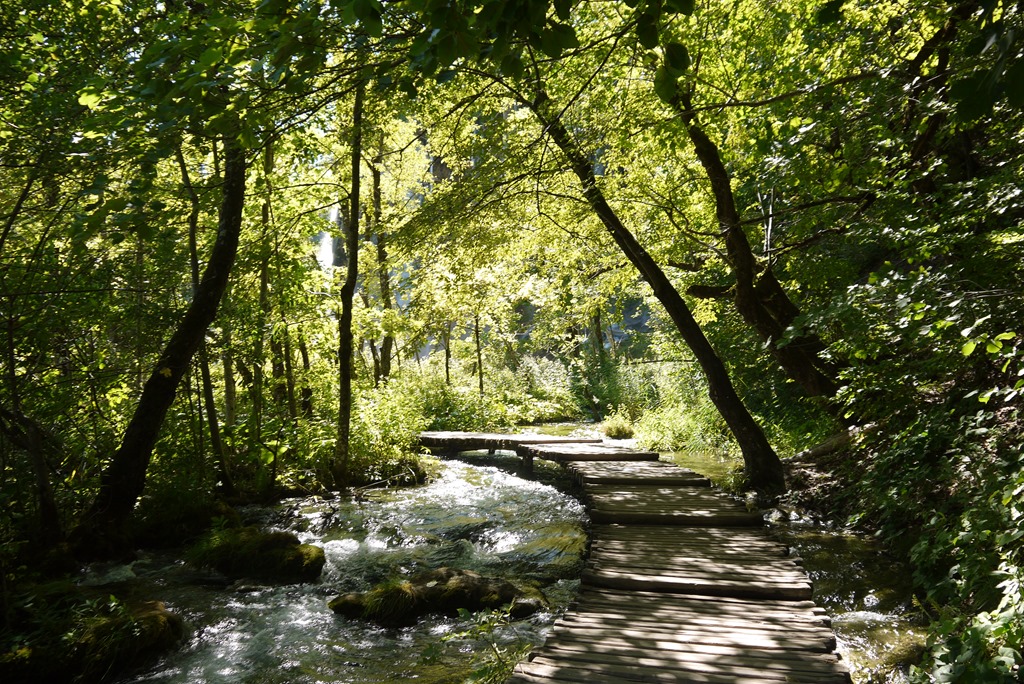
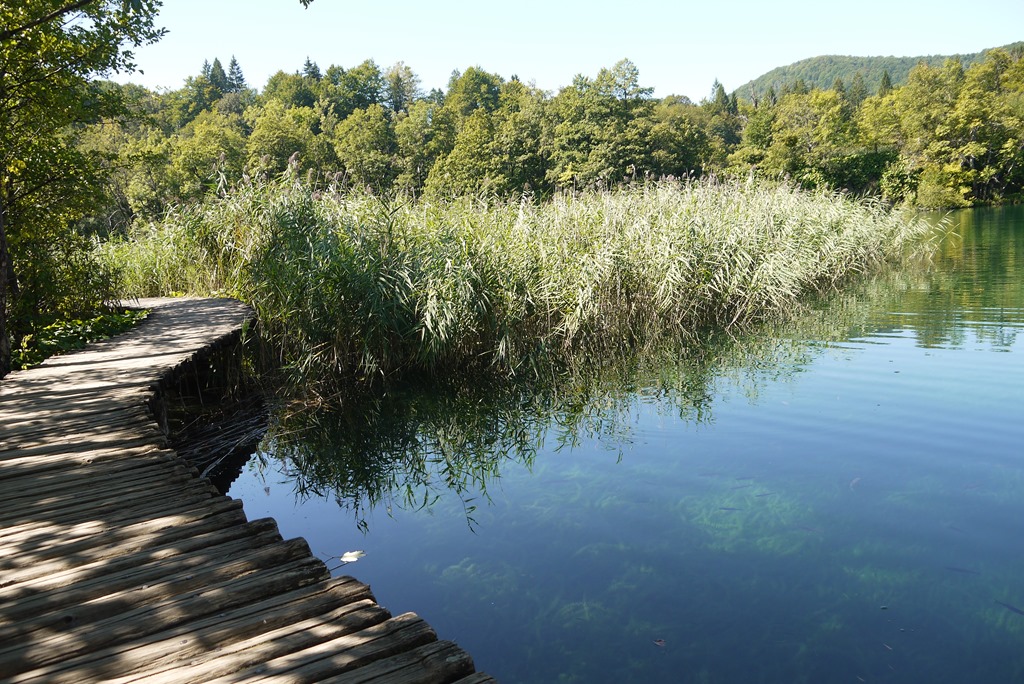
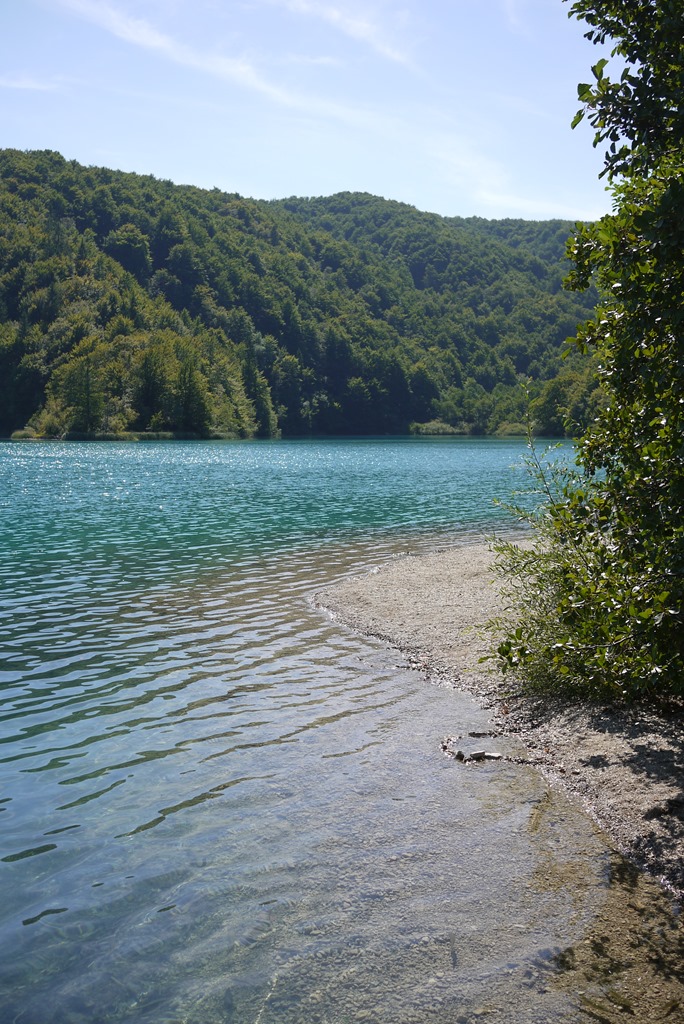
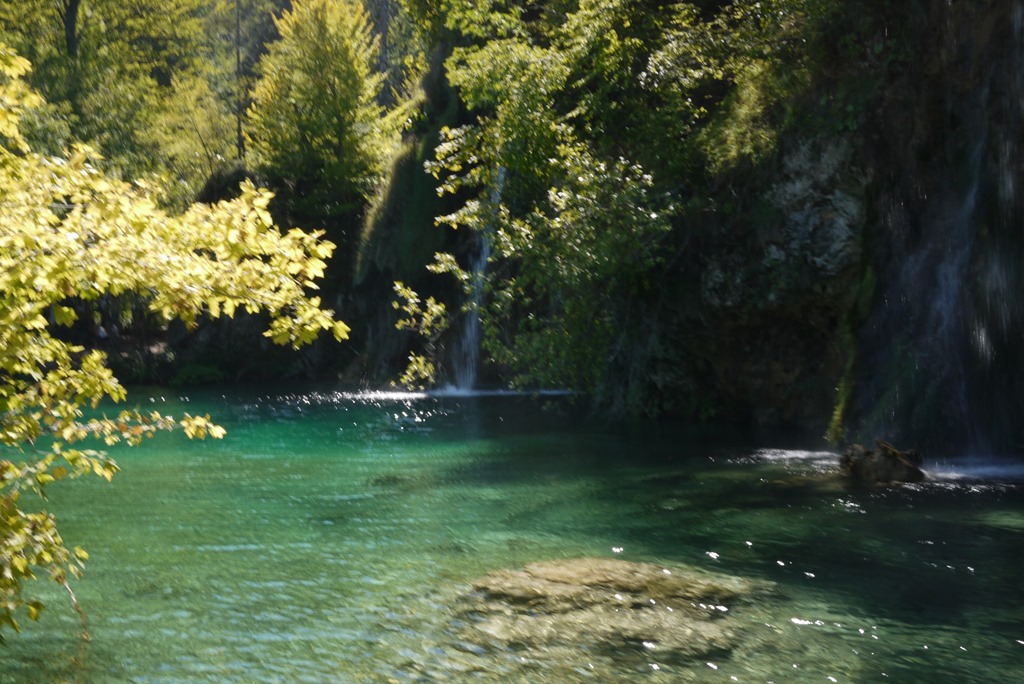
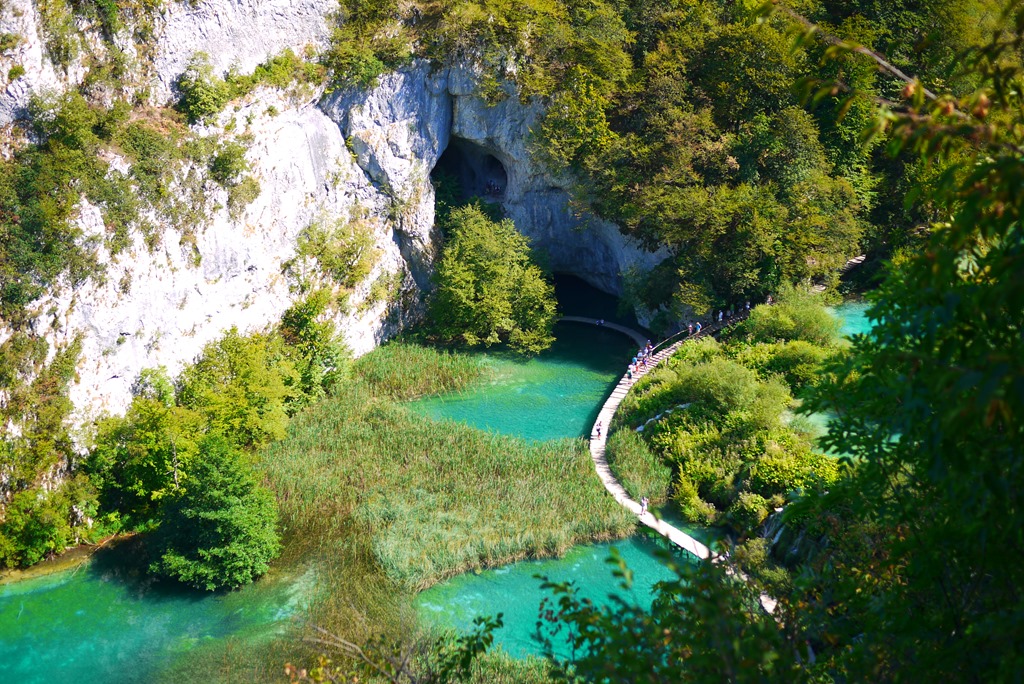
Aquamarine lakes are fringed with mossy veins and sunshine-dappled woodlands in Croatia’s natural treasure, Plitvice Lakes National Park. Covering almost 300 km2 , and comprising 16 lakes, Plitvice is the largest of Croatia’s eight national parks and was the first established, back in 1949. As well as being just generally amazing, with its (hiding) brown bears, enthusiastic schools of fish, tall falls and war-torn past, Plitvice is known for its vibrant lakes, which miraculously morph between shades of blue and green depending on the mineral and organism levels in the water.
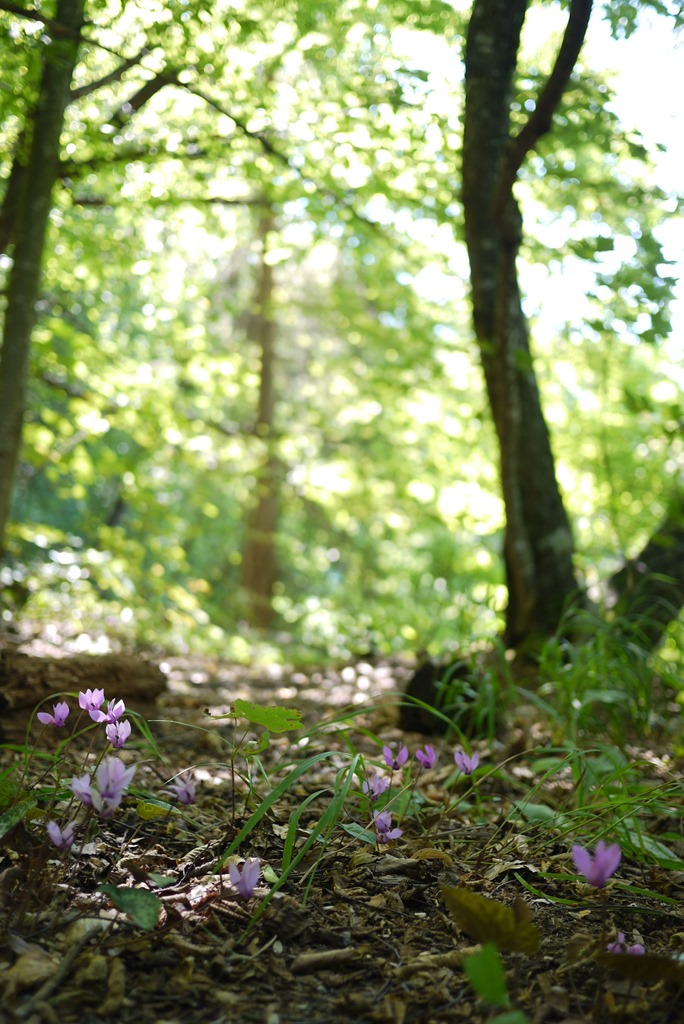
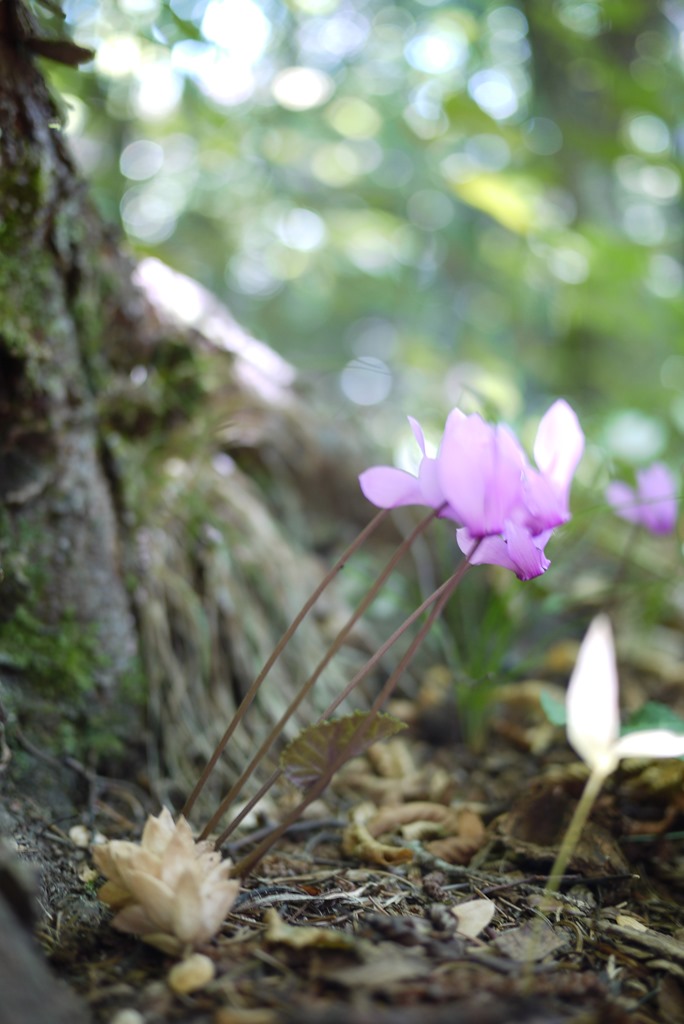
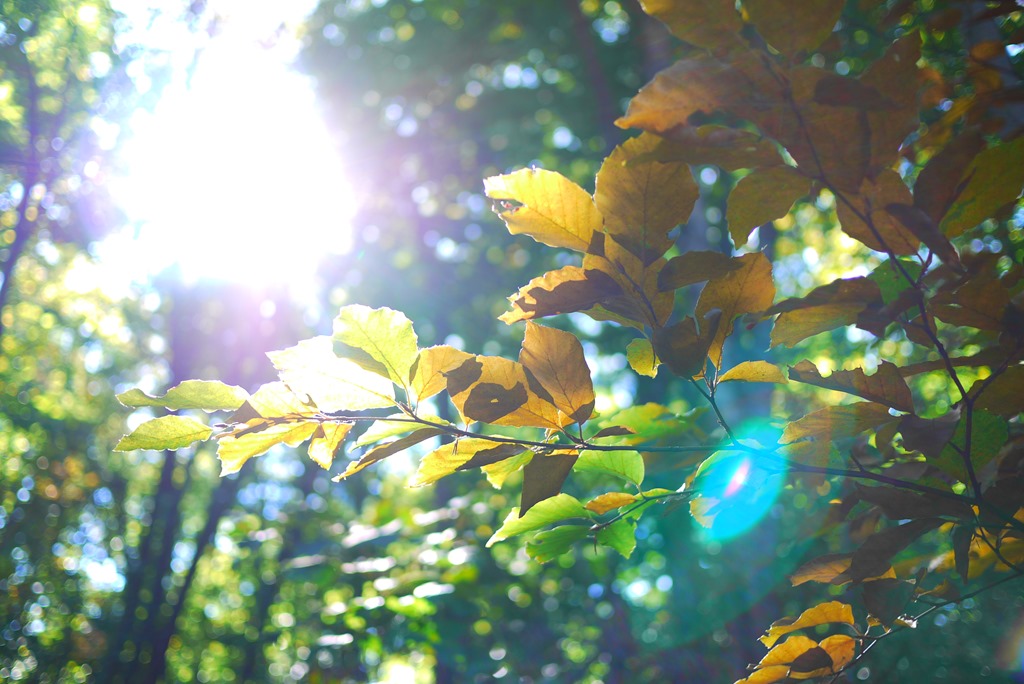
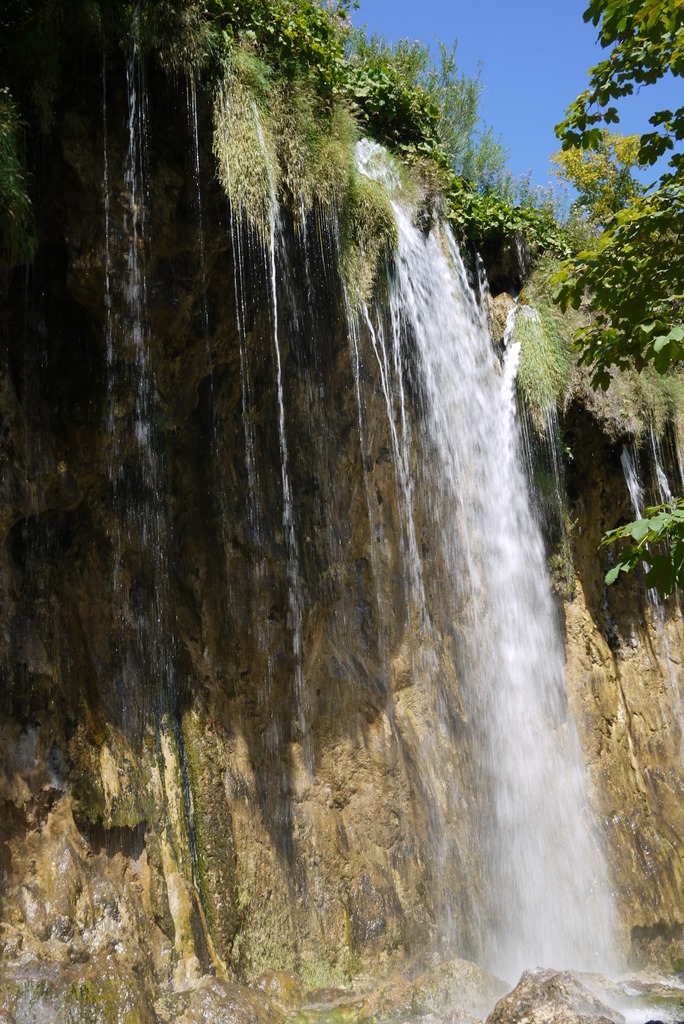
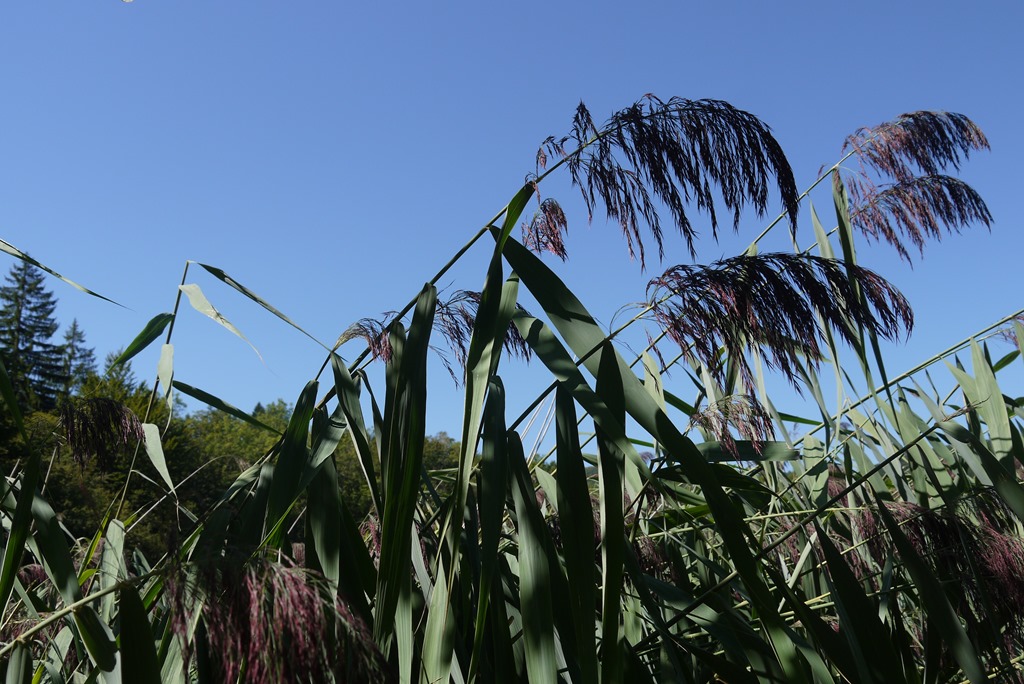
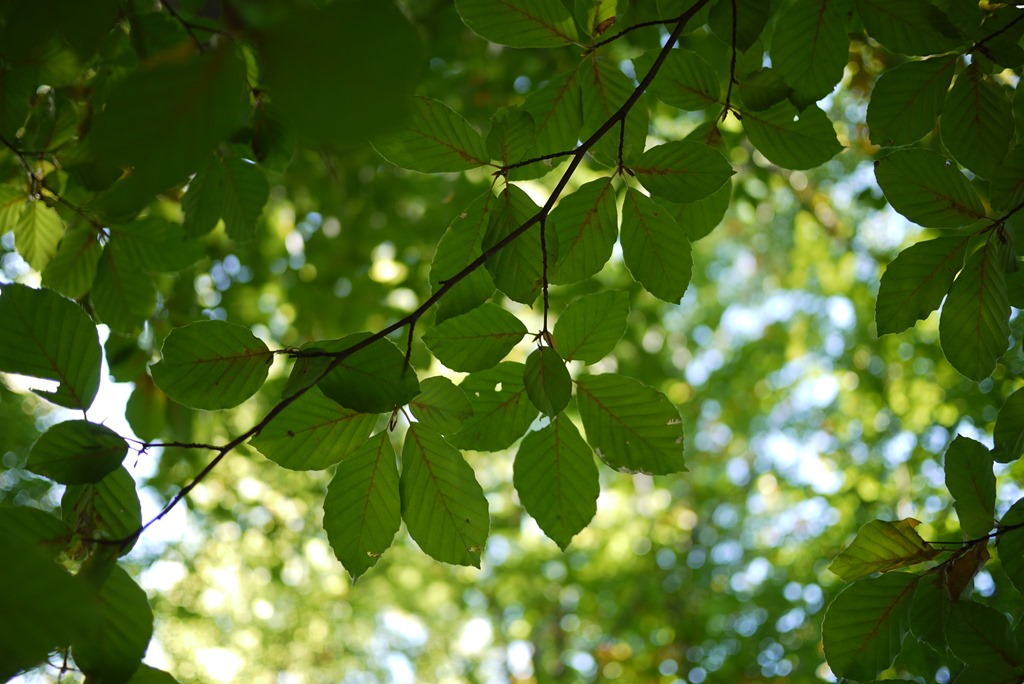
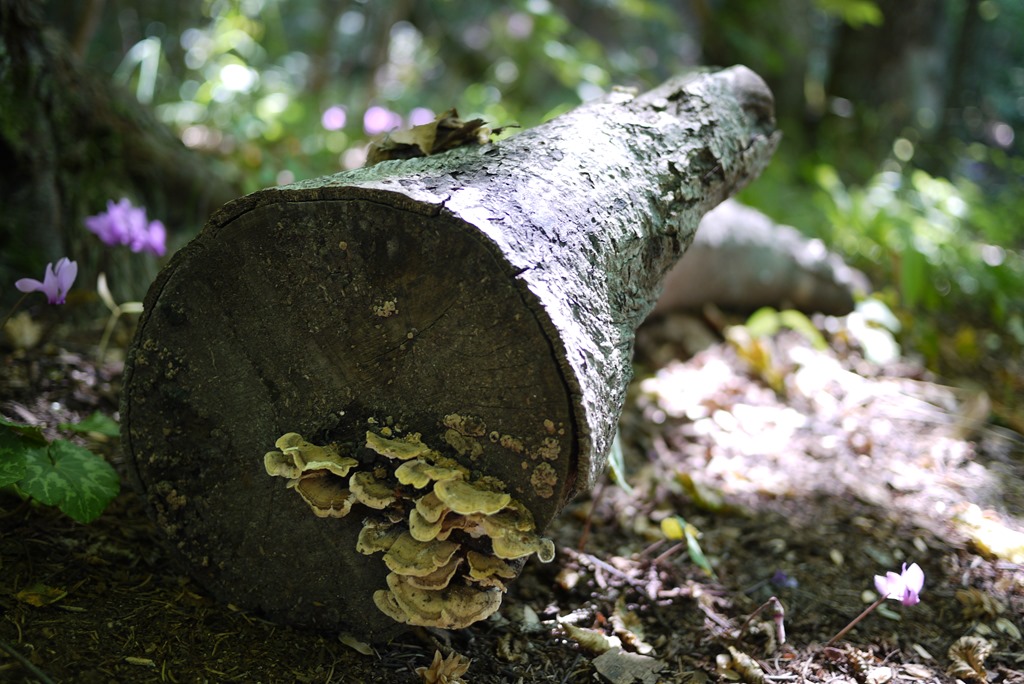
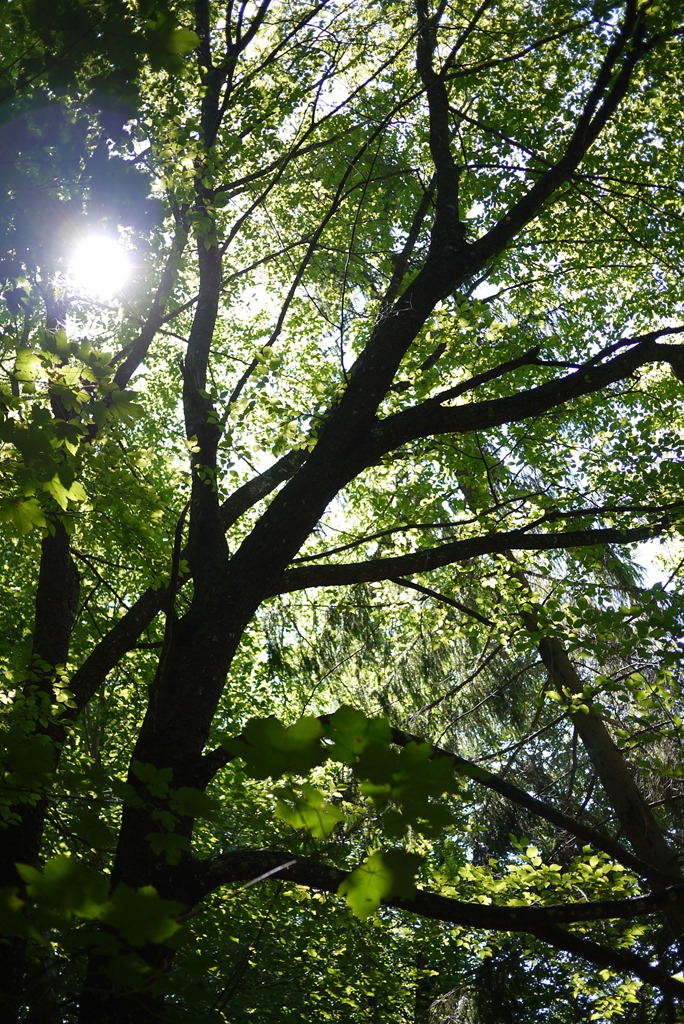
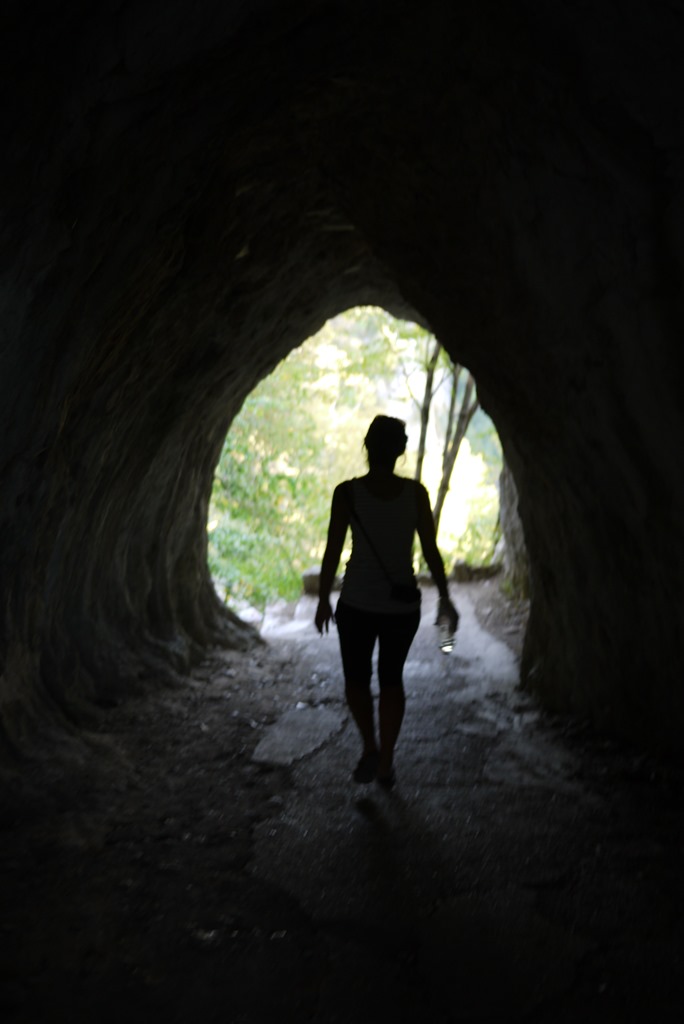
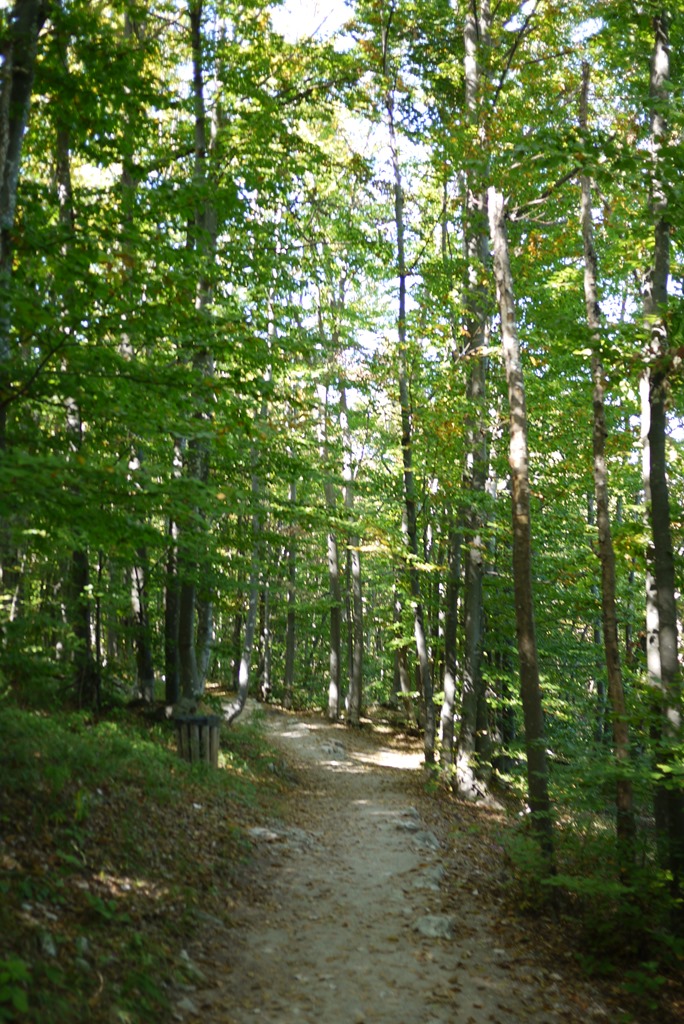
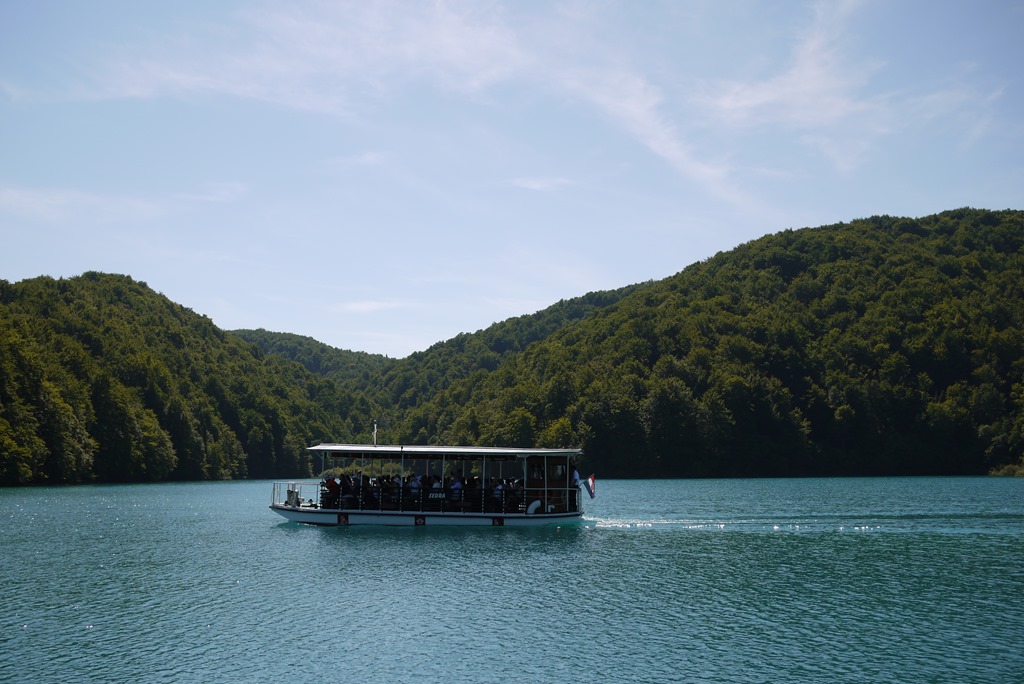
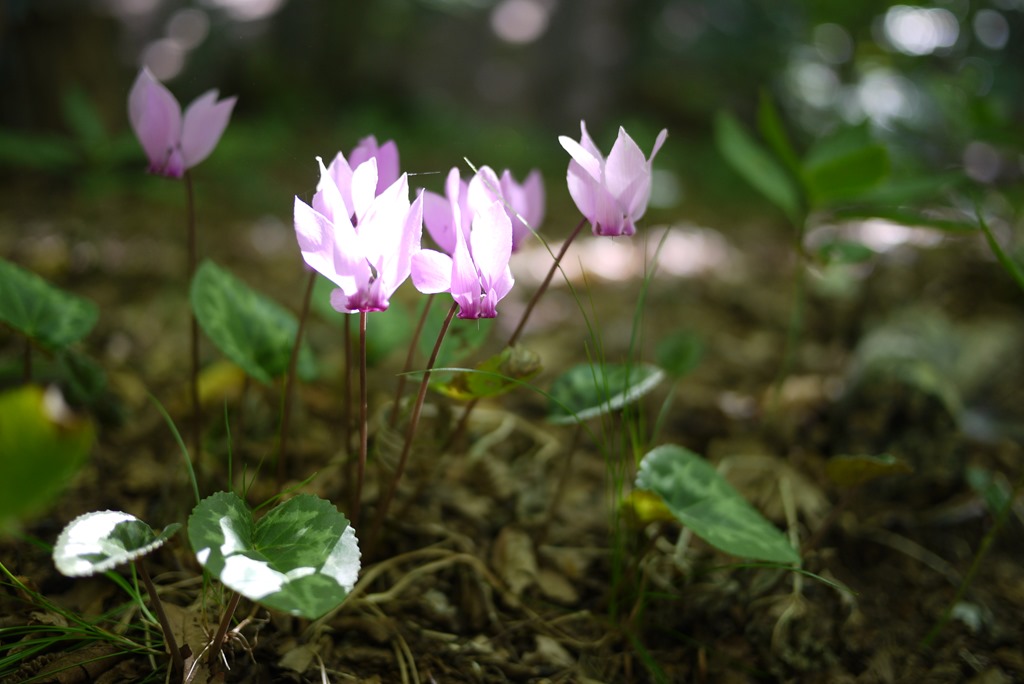
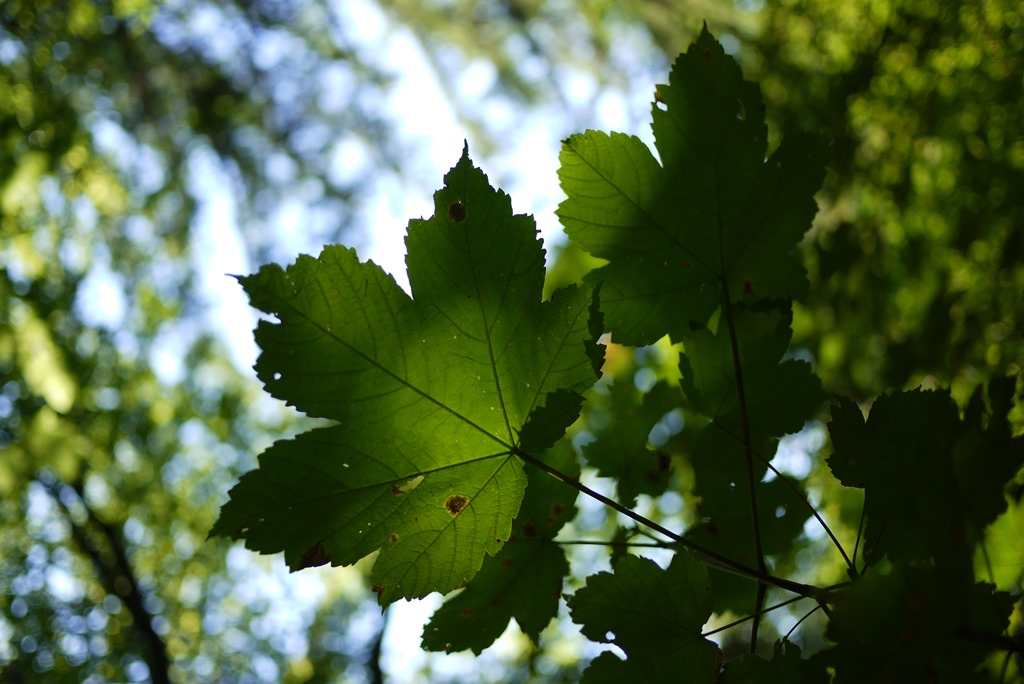
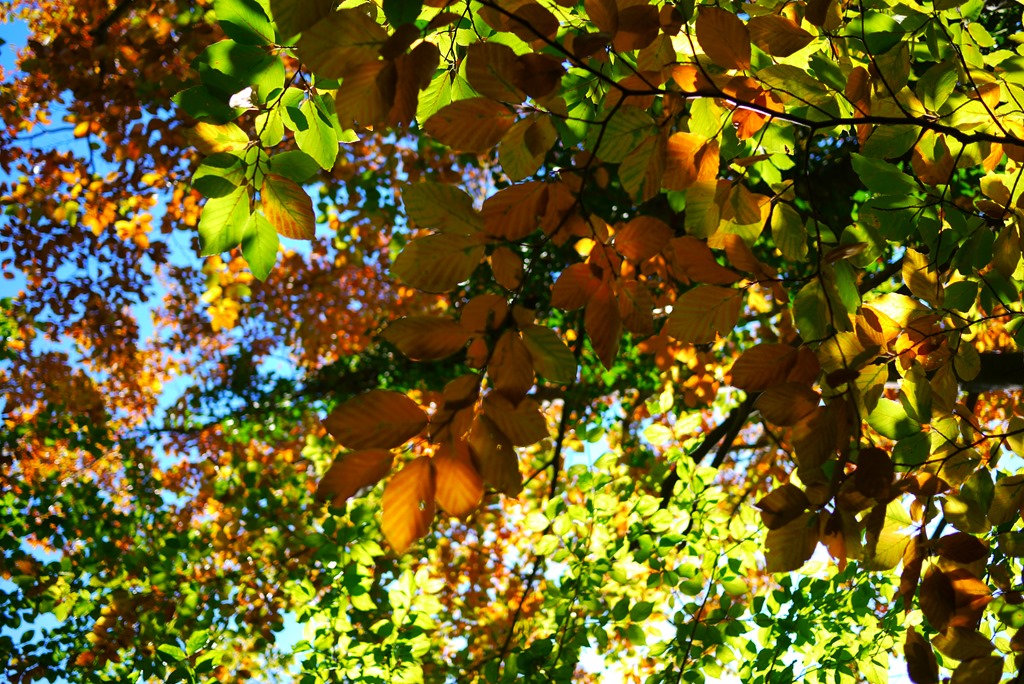
My best attempts to describe the serene beauty of this UNESCO World Heritage site just wouldn’t come close to conveying why I felt such awe when exploring the waterfalls, cascades, caves, karsts and woodlands. So, to come closer to doing it justice, here is a collection of photos I took while walking around the upper and lower lakes.





Tips for exploring Plitvice Lakes and National Park:
Karana campground is a great spot to stay, only 6km from the park entrance. The grounds have little bungalows with two beds in them and there is plenty of room for tents, campers and caravans. A very filling buffet breakfast is served from 7-9am every morning. There is also a bar, restaurant and well-stocked shop on site, and a free shuttle to the park entrance at 9am daily, returning at 5pm.
If you prefer a bed closer to the park, there are a couple of hotels actually in the park, which charge a premium for location but also allow a second day entrance on the first day ticket.
If you are looking at private accommodation in the area, be sure to confirm lifts to and from the park. The roads are winding and not that friendly for road-side walking.
If you have luggage to store, the information centre at the main national park entrance will hold your bags between 9am and 5pm for a small fee.
Buses to and from Plitvice are frequent and easy, despite a limited amount of online information about them. We caught a bus from Zadar bus station to Plitvice (final destination is Zagreb) for 90 Kunas per person. There are a few buses daily – one super early and a couple in the afternoon – and tickets can be bought from the station attendant. Be sure to check which company your ticket is with, as often the buses pull into the wrong bay and leave promptly after dropping off passengers. The bus stops just across the road from the main park entrance, and although the bus doesn’t routinely stop at the campground, you can ask the driver and they should be able to drop you off.
Buses from Plitvice to Zadar or Zagreb are just as easy. The information centre on the opposite side of the road to the main park entrance (use the over-road bridge) has timetables and lots of other useful information. You will be able to buy your ticket from the driver. We paid 100 Kunas with under-carriage luggage to get to the central bus station in Zagreb.
One day tickets into Plitvicka Jezera nacionalni park cost 110 Kunas for an adult and 80 Kunas for a student (who may or may not actually need to present a student card).The ticket includes one ride on the ferry that crosses the large lower lake and the bus shuttles that loop the park.
If you make a full day of it, you can see both the upper and lower lakes in one day and still make a bus to Zadar or Zagreb, it just depends how quickly you walk and if you want to catch a shuttle bus to speed up your loop.
The national park is open all year around, but make sure you use the main entrance only during off-peak times, as other entrances close for periods of the year.


 Nic Freeman
Leave a reply to Idyllic Croatia: A photo walk through memories | Nic Freeman Cancel reply