
In April, the fresh flavours of Istanbul, Turkey inspired me to photograph and share my culinary adventures in the first instalment of Travel. Food. Photo. It seems that you liked the vicarious tasting tour, so I’m back to share the exciting palette of Northern Spain, which I enjoyed in May (and continue to enjoy) while walking along el Camino de Santiago. From my first Spanish meal in Barcelona, to Pamplona and 600-ish km along the Camino through colourful little villages and towns, I’ve enjoyed, photographed and savoured Spanish food.
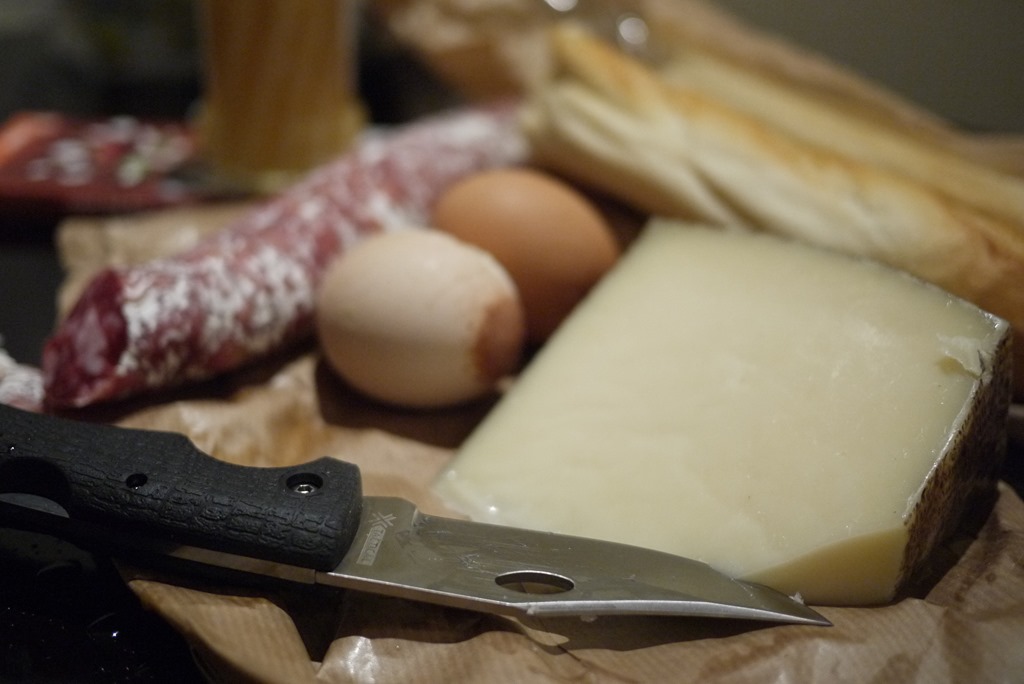
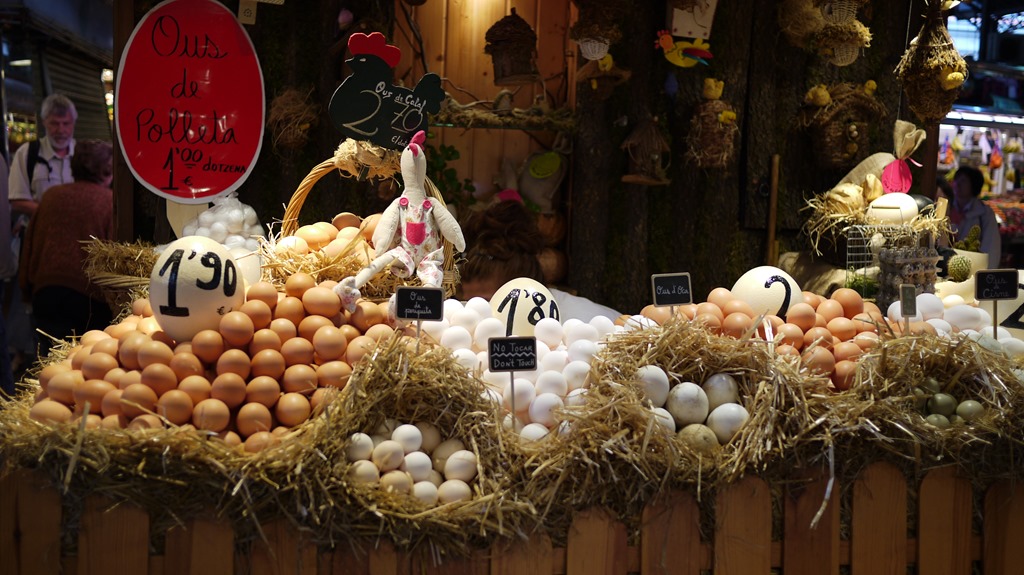
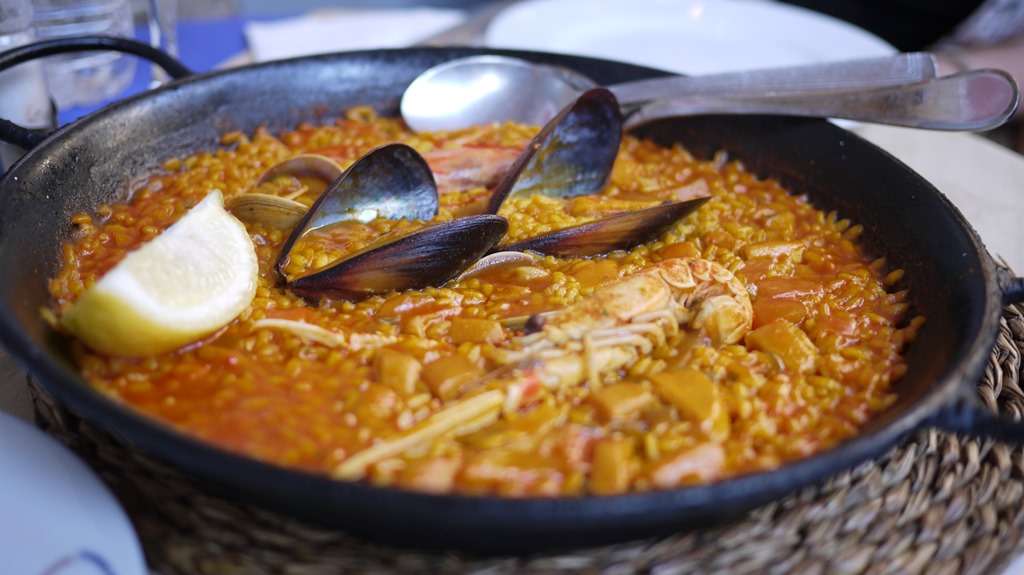
If there is one thing I must say about the Spanish, it’s that they know how to serve fun food. It is served at 10am-2pm-10pm, during long, late sittings that boast a celebratory flair and casual decadence. It comes on little plates as tapes or pintxos to be eaten as you stand outside or sit in busy streets. It is bought fresh from farm and market and sold is a bustling plaza major. It is salty sausage, chorizo and cheese, hanging from an awning of a crowd-circled van. It is a suite of taste sensations picked from a menu beside the water, and washed down with sangria in the waning evening sun.
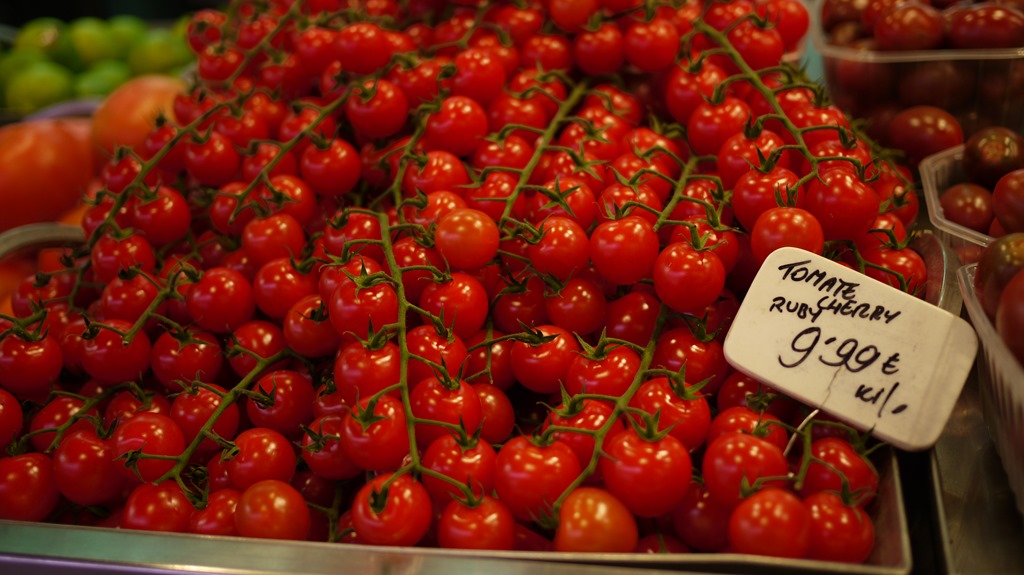
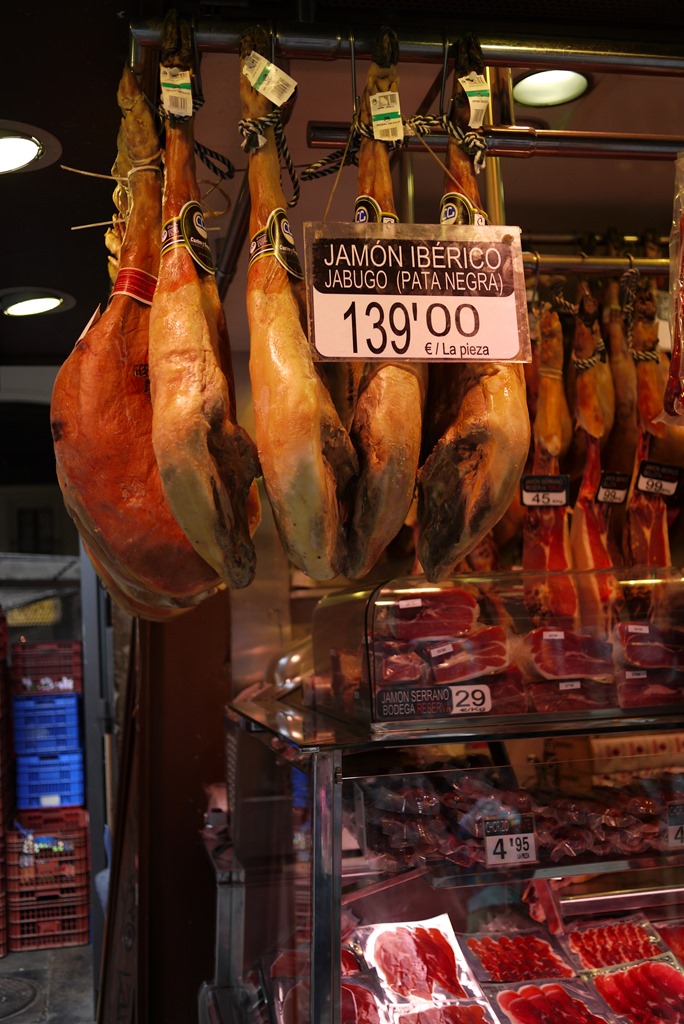
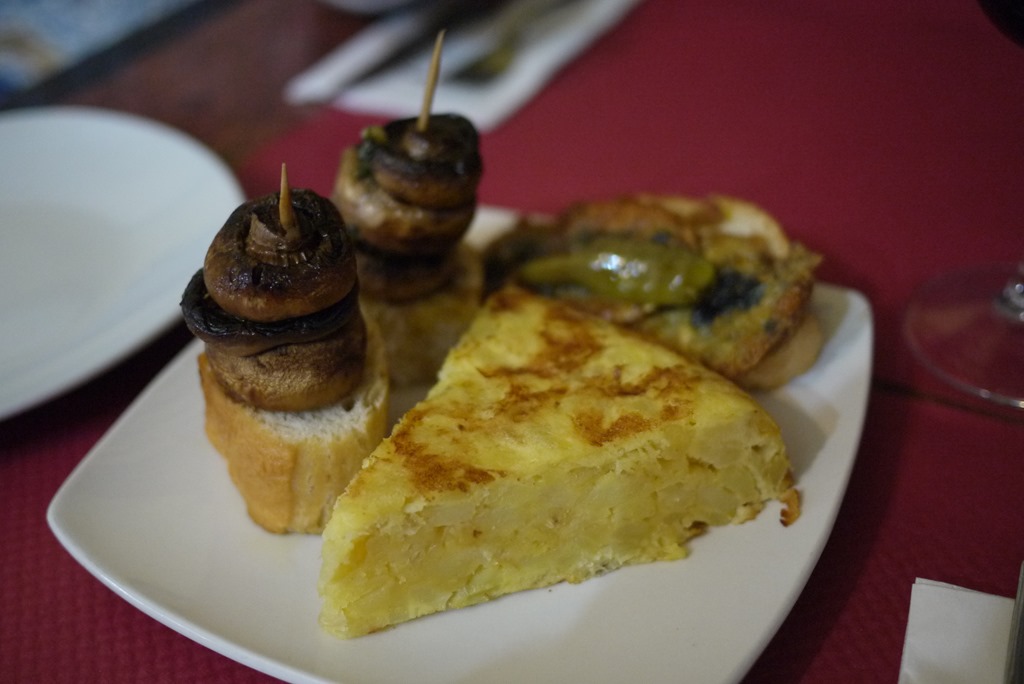
Think: crunchy salads with corn, tuna and boiled eggs; Spanish tortilla (eggs and potato) with jamon; sweet and salty clashing together; bochadillos filled with meaty meat meat; steaming lentil soups in ceramic dishes; and boiled fish with beans.
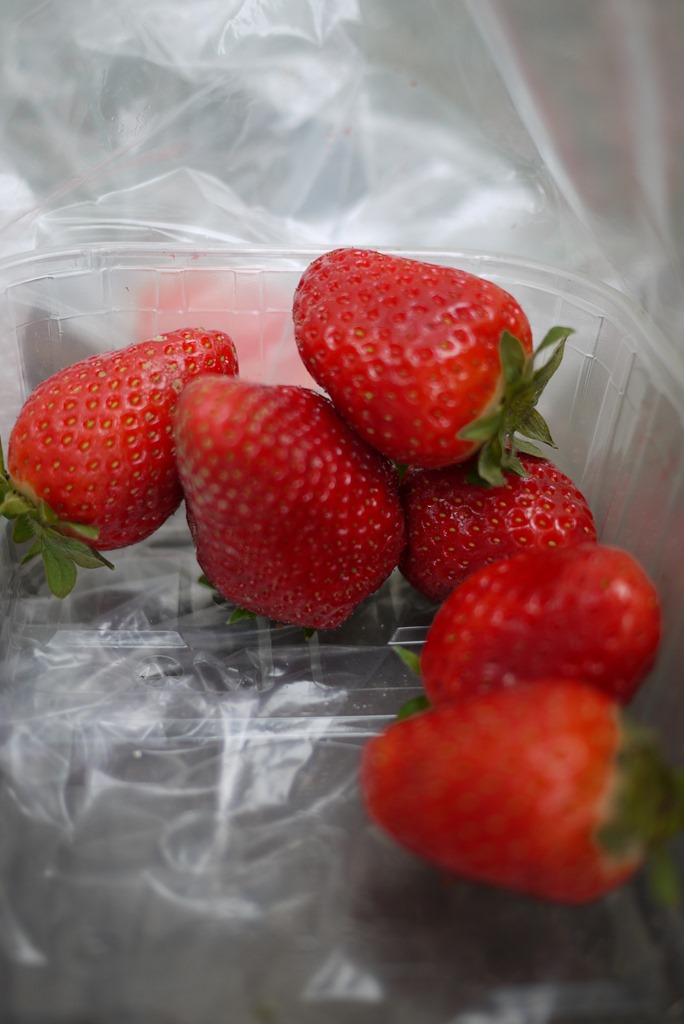
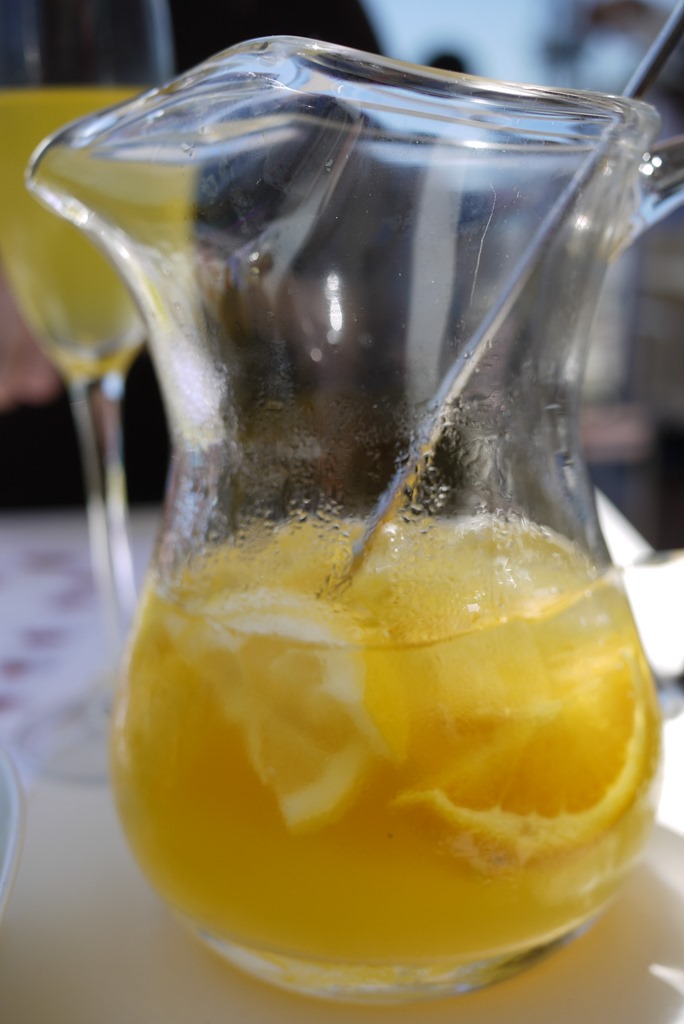

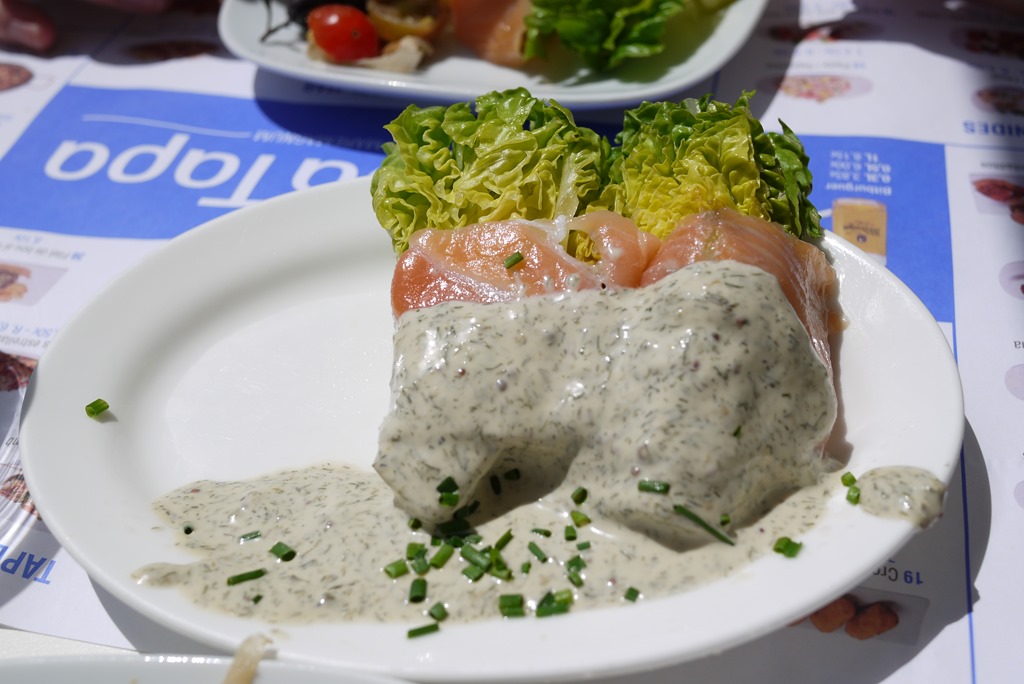
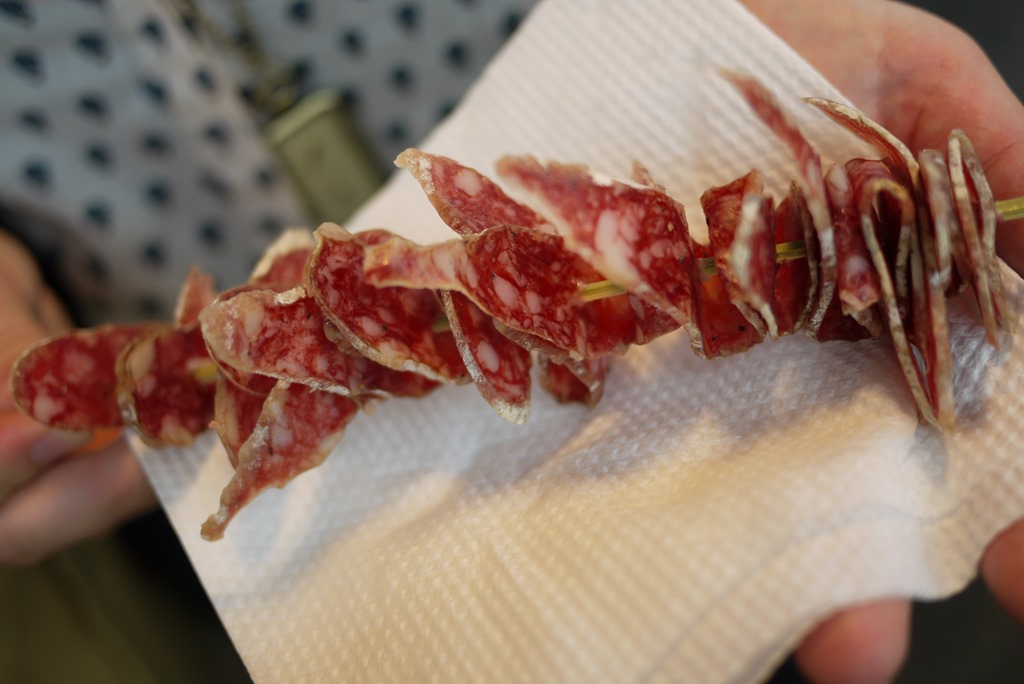
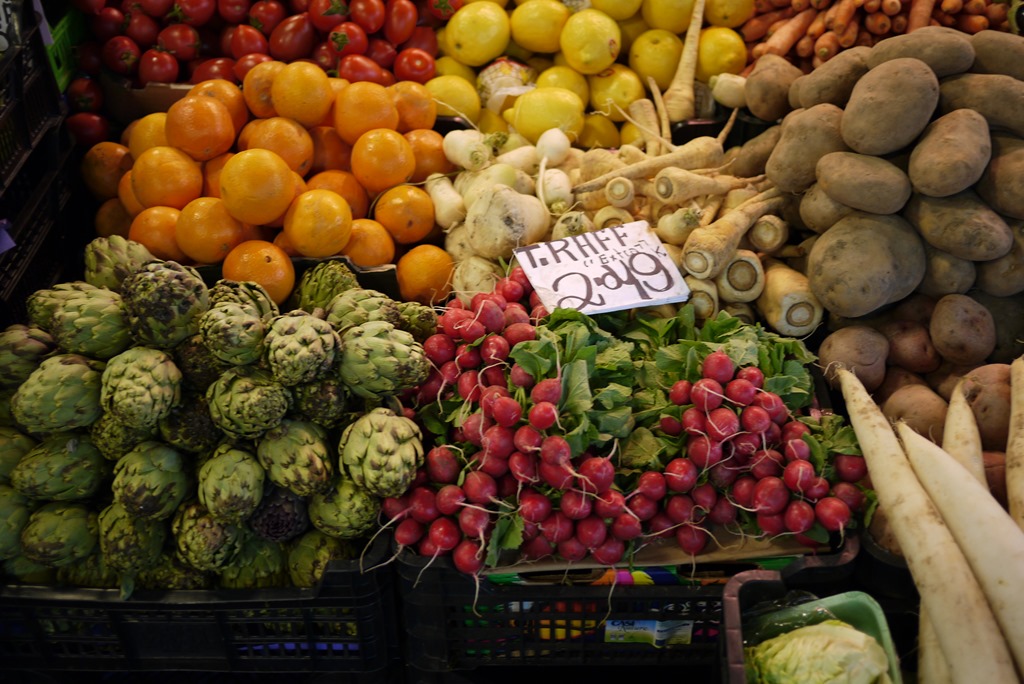
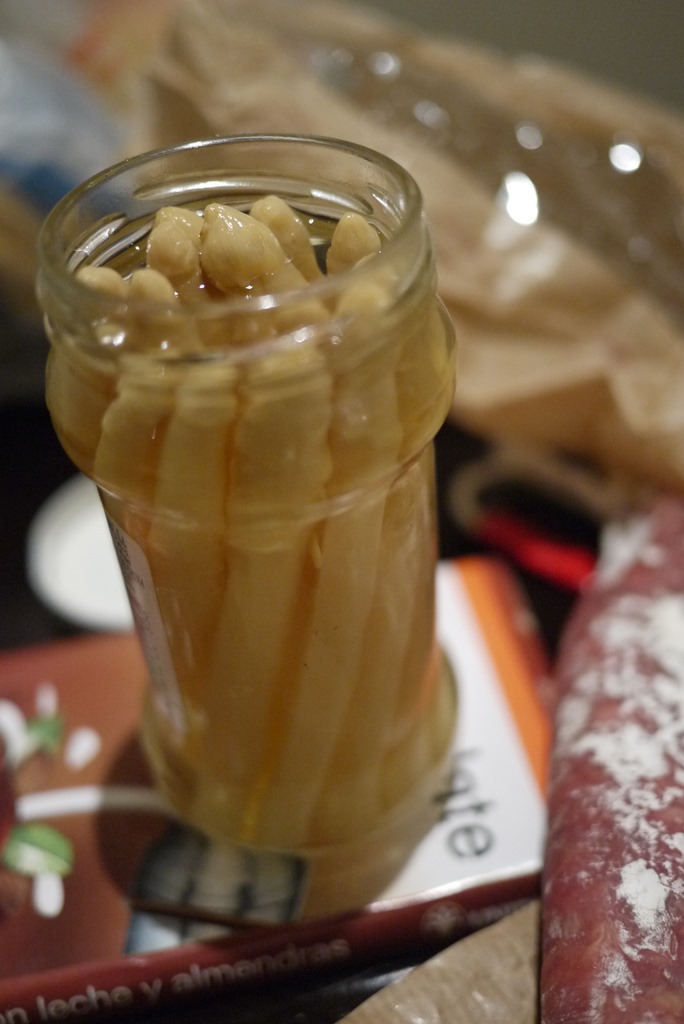
Savour: cold drinks served with lemon; spicy chorizo too good to stop; big fat sweet tomatoes of red and green; white asparagus and green olives; hard cheese with a bitter edge; and quality vino that’s cheaper than water.
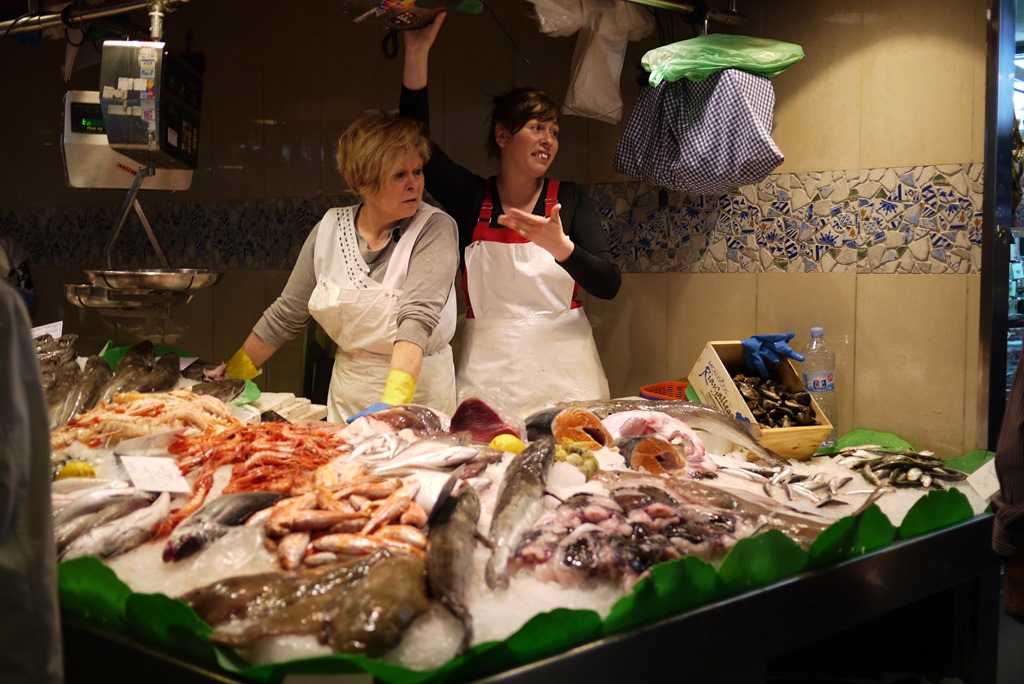

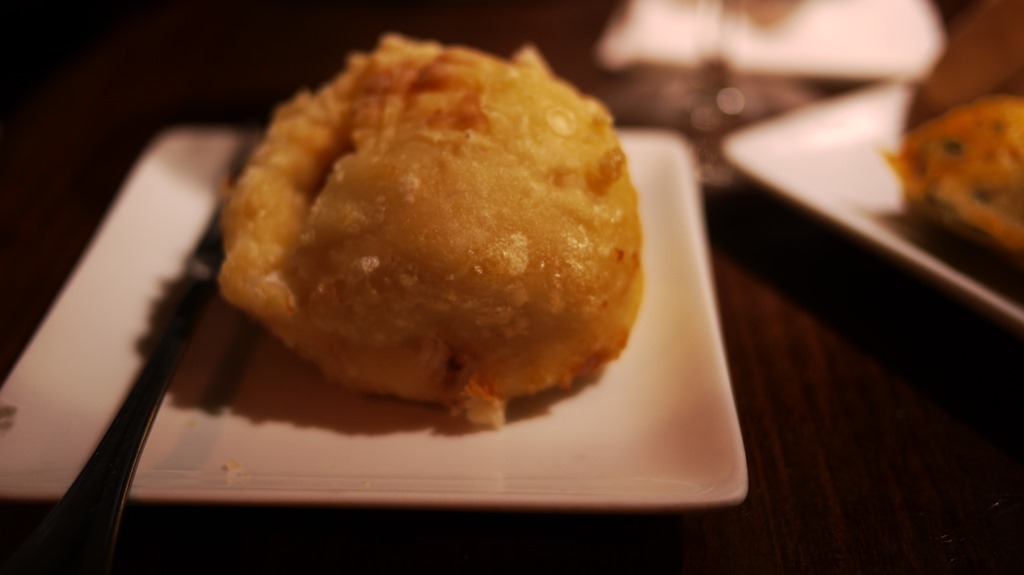
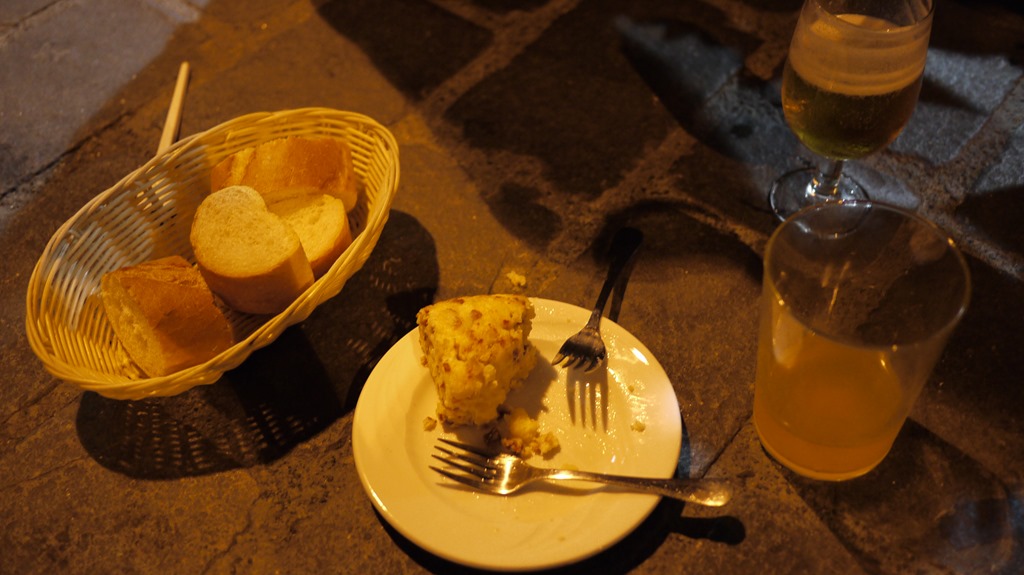

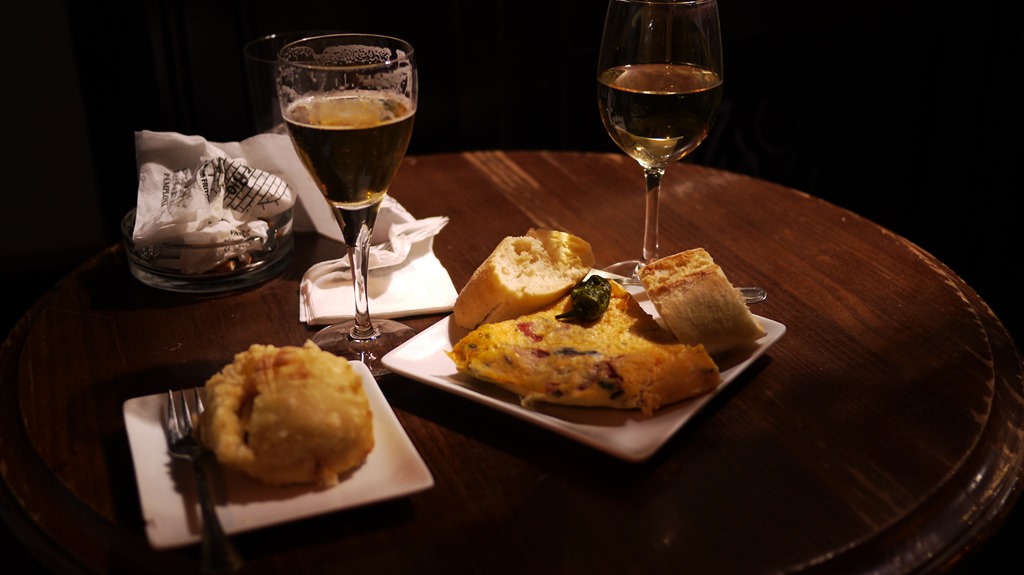
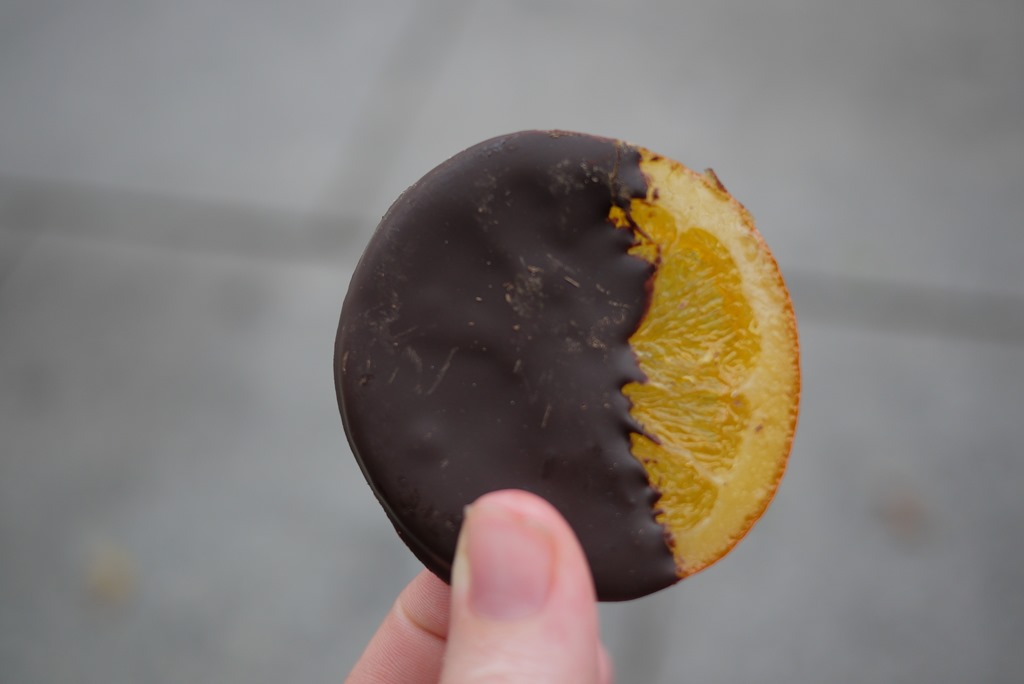
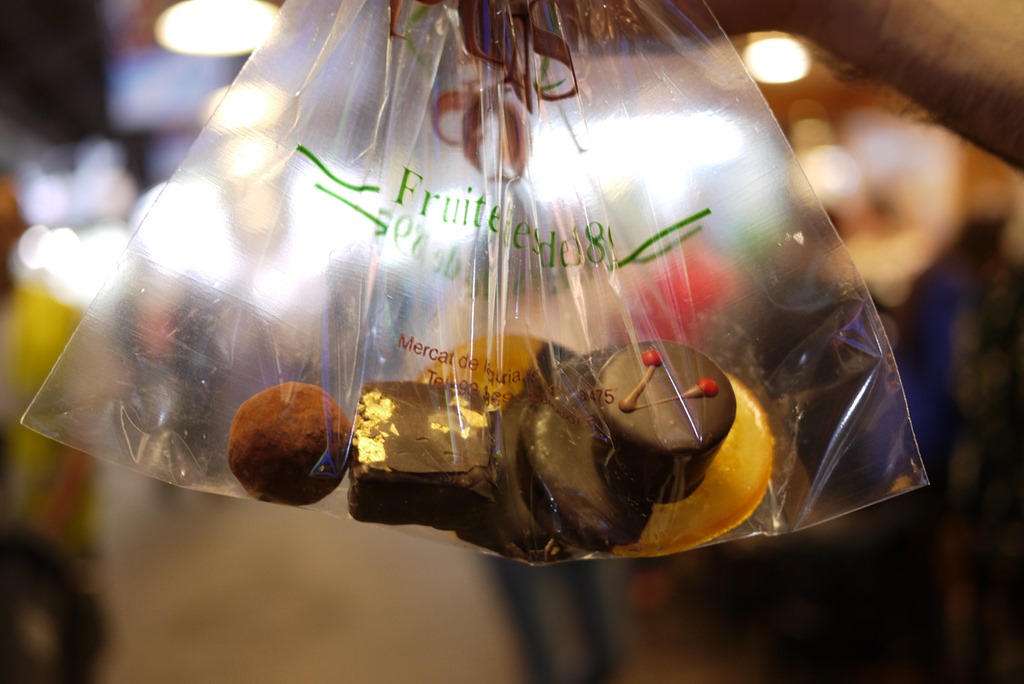
Try: the meat of a pig – smoked, cured, sliced and sausaged in every way you can think of; tart apple sidra with tapas at night; chocolate covered fruits picked from piles and piles of sweets; anchovies in olives; Galician vegetable soup made from strange green leaves and potato; the deep-fried pintxos like soft boiled eggs and par-melted cheese.
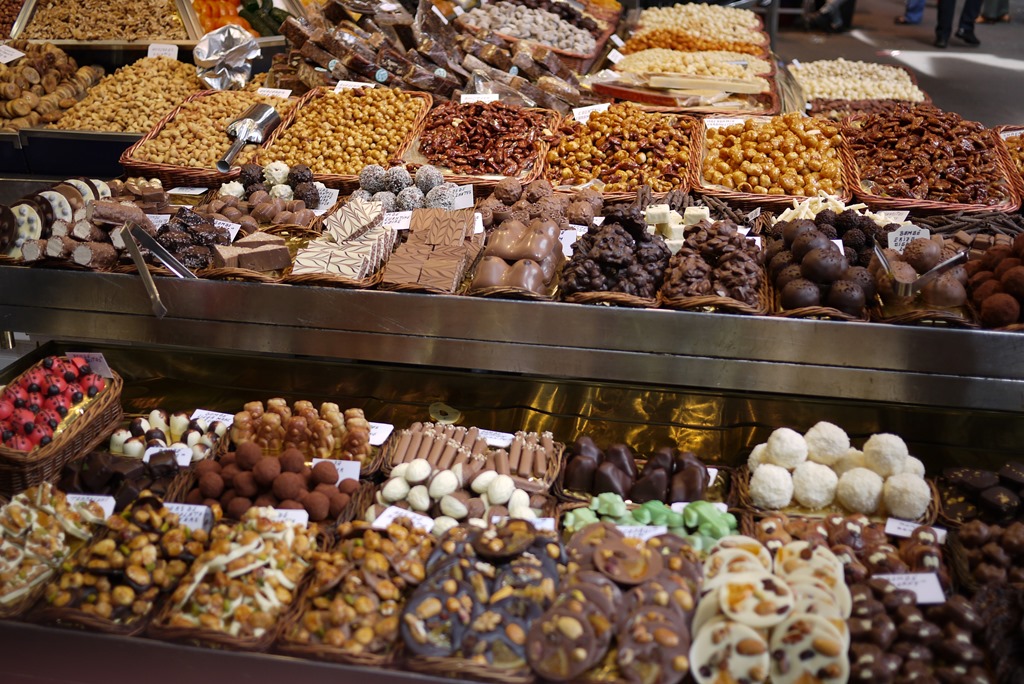
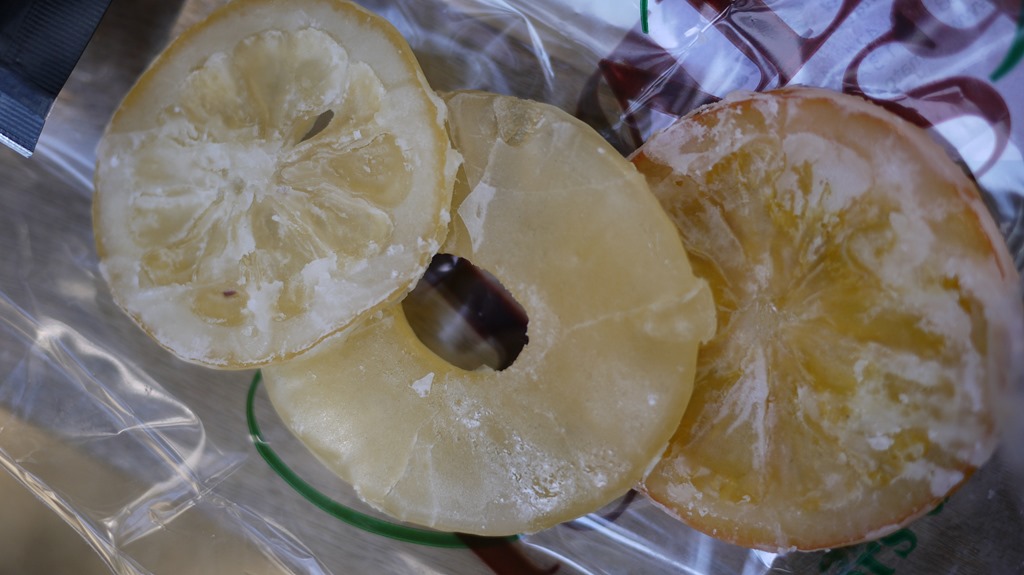
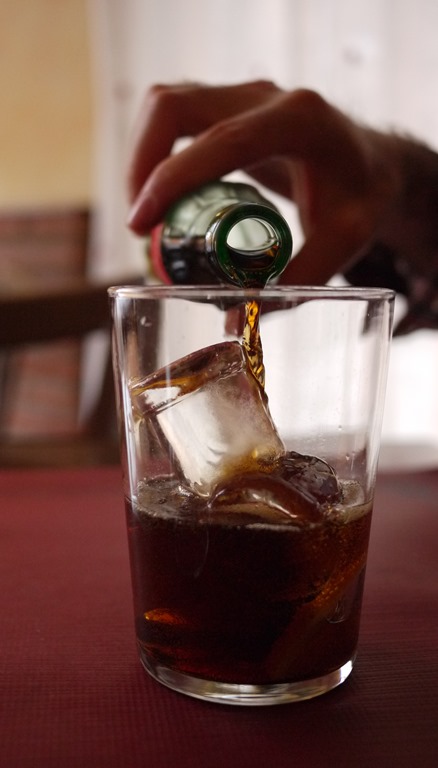
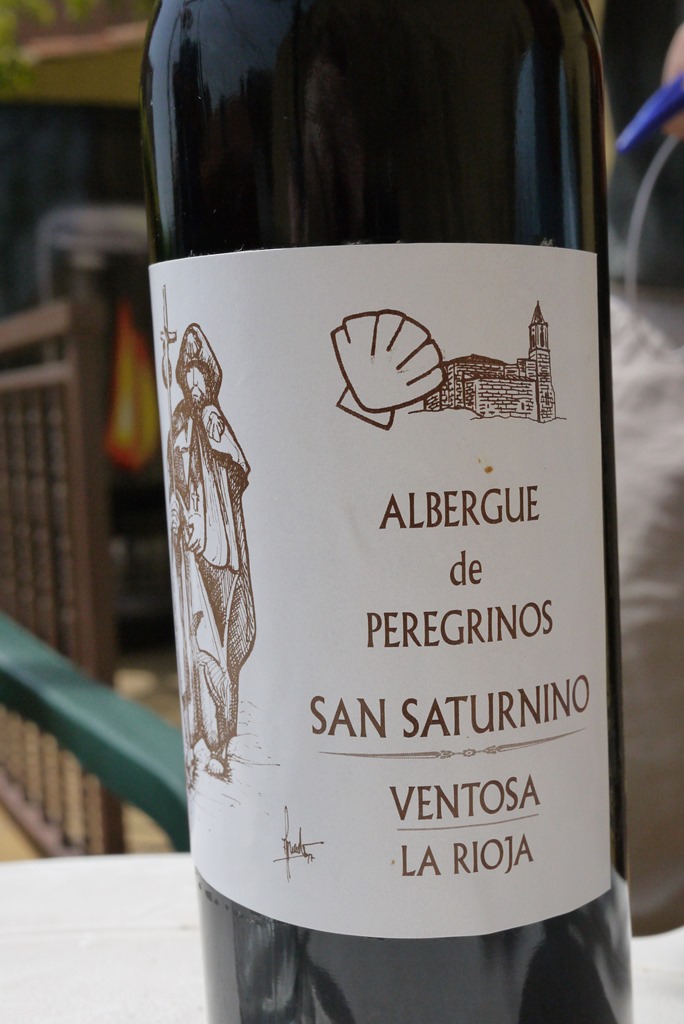
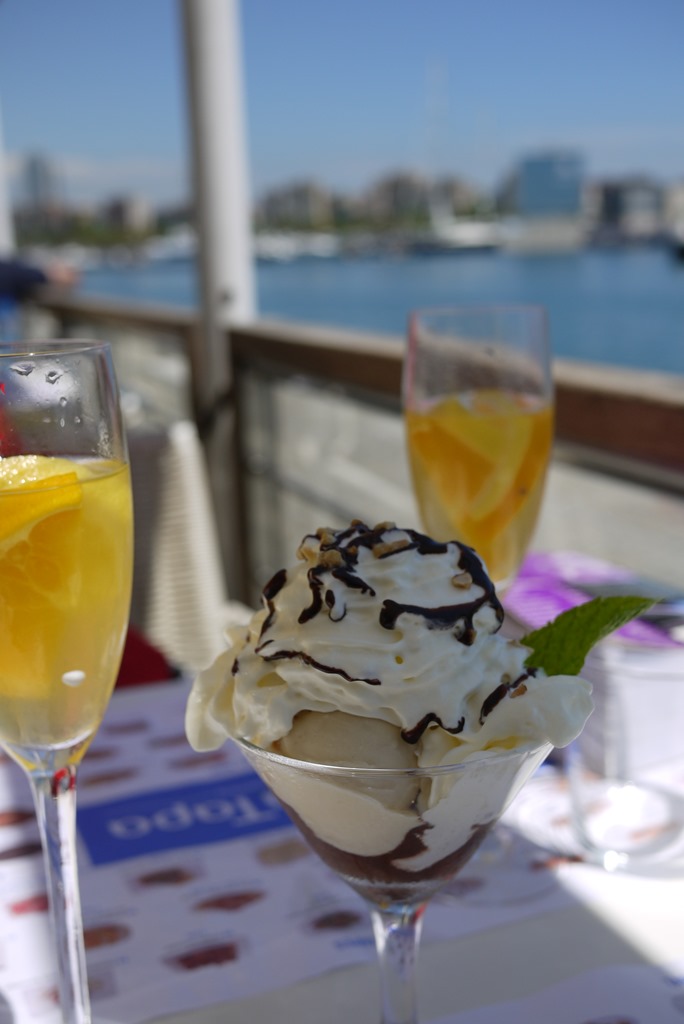
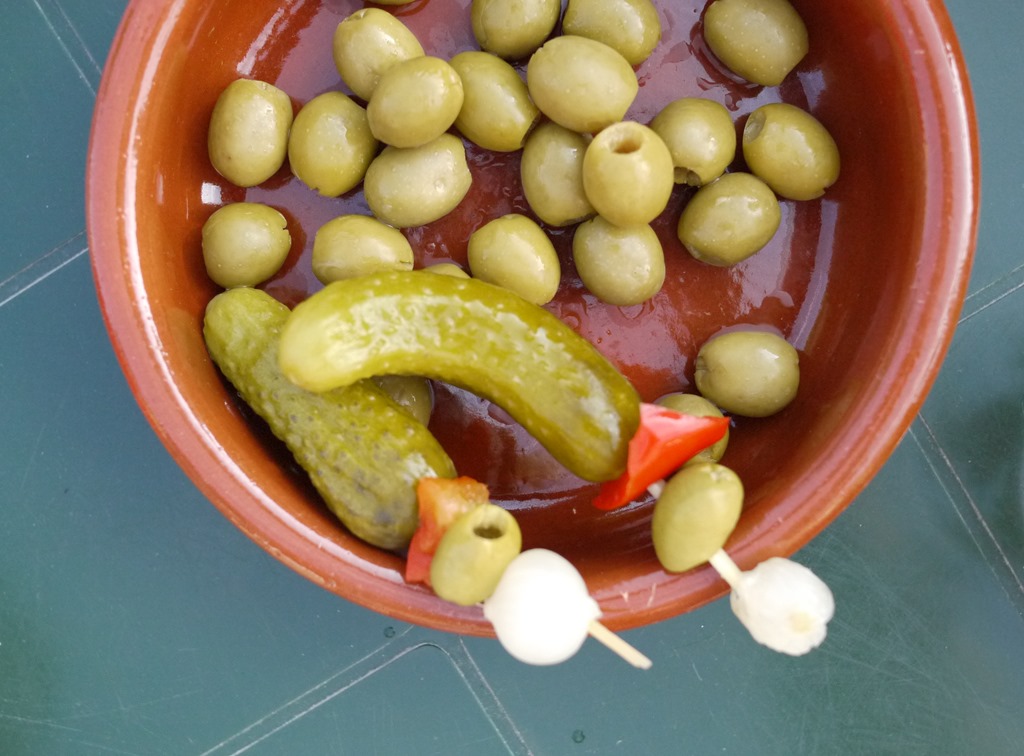

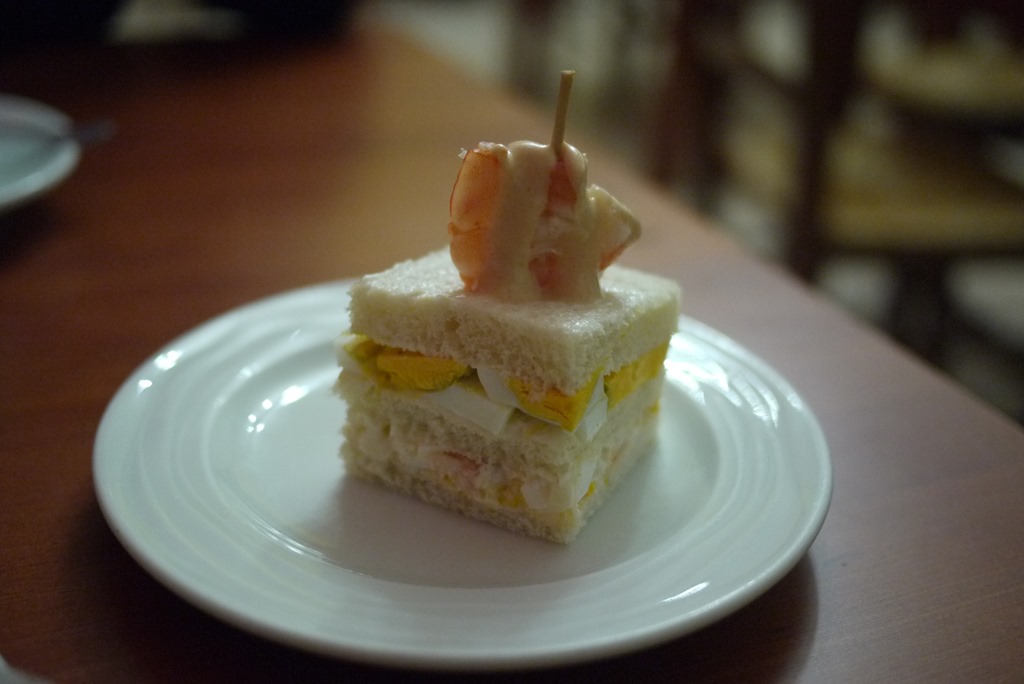
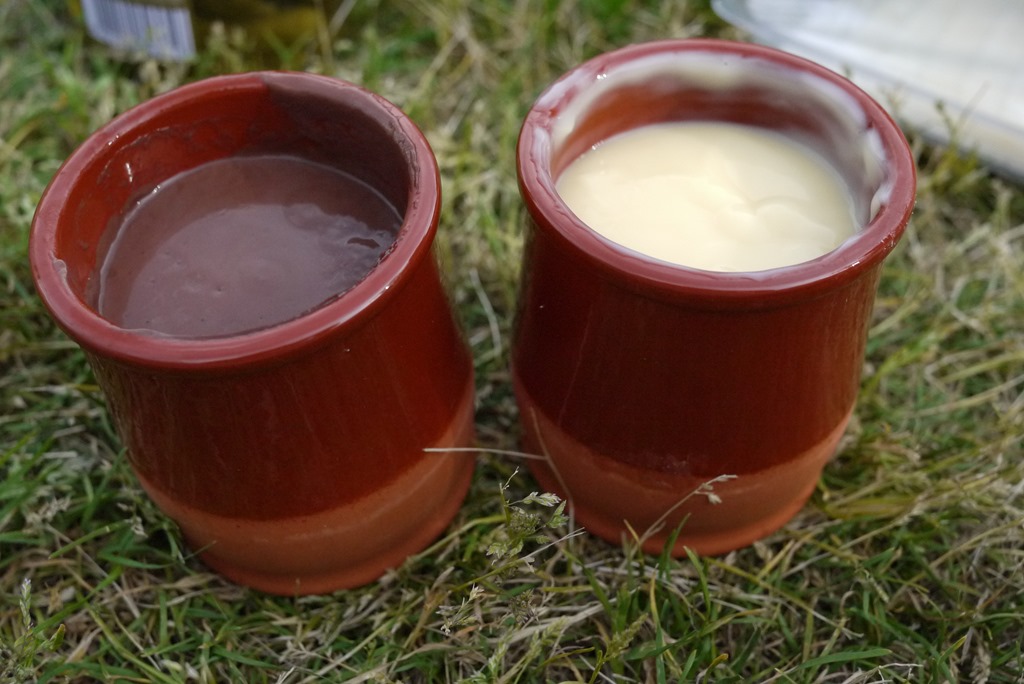
Love: creamy chocolate mousse and home-made crème caramel; salads like sculptures with fruits and vegetables; ice-cream at night sitting on still-warm pavers; fresh seafood served cheaply and eagerly; eating with new people every night and combining limited Spanish to interpret a menu.


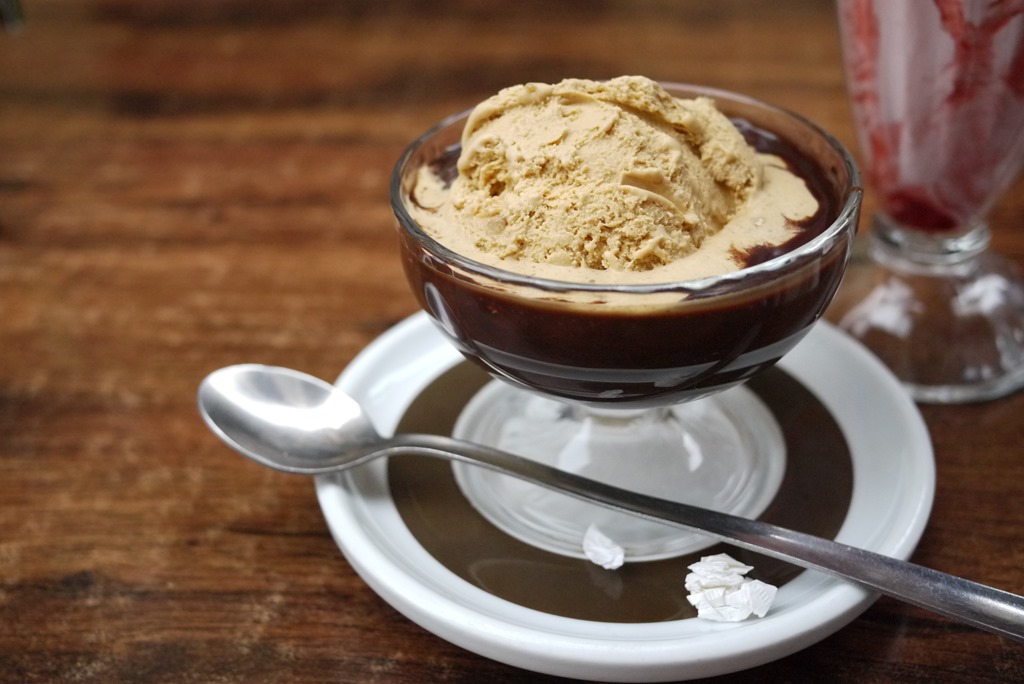
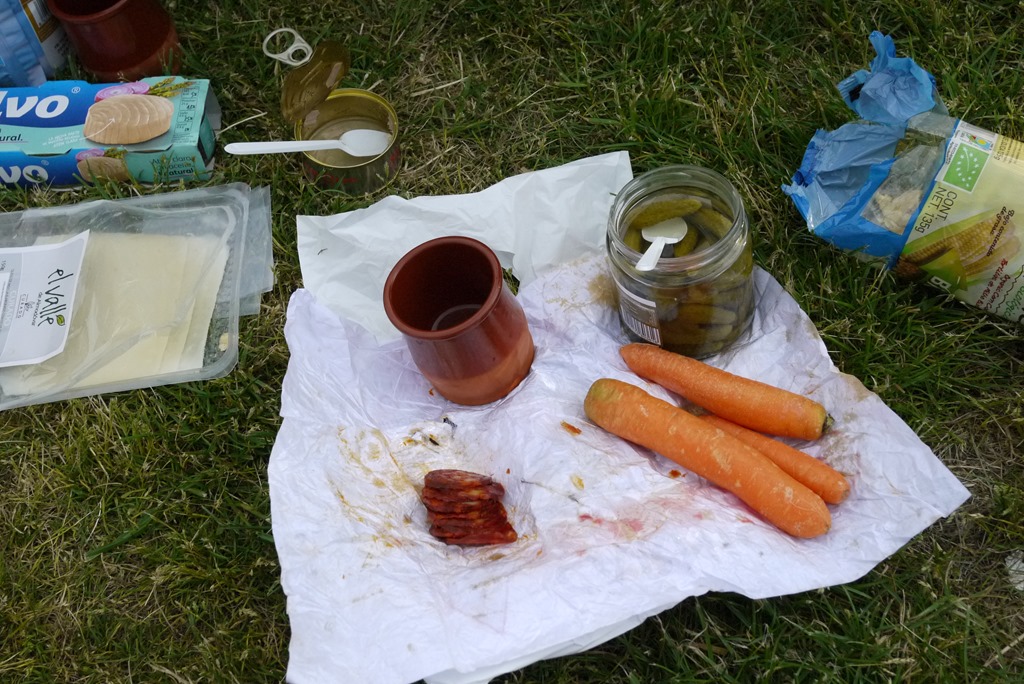
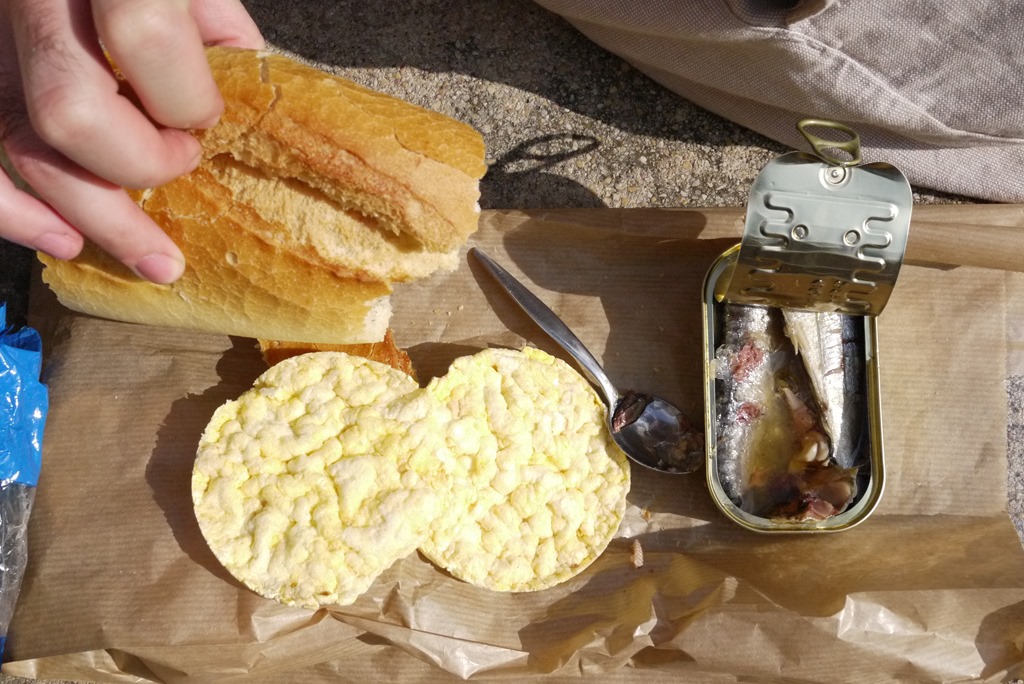
As a pilgrim, the food experience is a little different to the usual tourist taste. Long days walking and the need to sleep early have brought about a ‘pilgrim’s menu’, which is a set three course meal including wine and bread, offered by restaurants along the way for about 10 Euros per person. Some have been amazing and others slop, so my meals will often be self catered from village produce stores, snacks from bars along the trail, and, much to my delight, picnics made from whatever you can get your hands on that day. As we walk across the country, we’ve been eating lots of boiled eggs, tuna and sardines, chorizo and hard cheese, iceberg salad to wrap anything and everything, juicy oranges and carrot sticks to munch on mid-route.
A note to the allergy and diet conscious:
- A limited range of gluten free products can be found in bigger Spanish supermarkets and most locals seem to know about celiac disease when you mention the need for sin gluten (free of / without gluten). Most Spanish food is simple, using meats, vegetables and rice, so there are often menu options to suit. The Spanish tortilla,made of potato and egg, is my GF staple as it is served in almost every cafe, bar, restaurant between and during meals. Although bread is served with everything, most places are okay if you bring your own rice crackers (and give the bread to a hungry person next to you). So far, I’ve found Pamplona and surrounding villages to be the most proactive in terms of GF menus and alternative options in cafes.
- Vegetarians will have a bit of a challenge travelling through smaller towns especially, as meat is a feature in most Spanish meals. There are many places that will cater for vego if you tell them in advance but be aware of the false friends, like the common ensalada mixta, which is often described as vegetarian but is usually made with tuna mixed into the salad vegetables and eggs.
- Spanish meals don’t generally add much dairy, with yogurt and cheese representing the dairy family on the side. If you want coffee or tea without milk, just order cafe solo or te solo and rest assured that milk doesn’t usually come unless asked for con leche – with milk.
- Vegans, I am no expert but can only imagine self-catering is the best option for you here.


 Nic Freeman
Leave a reply to 6 Wonderful ways to experience Santiago de Compostela, Spain | NicFreeman Cancel reply